The early years of childhood are pivotal for developing social skills, which are essential for forming healthy relationships and functioning effectively in society.
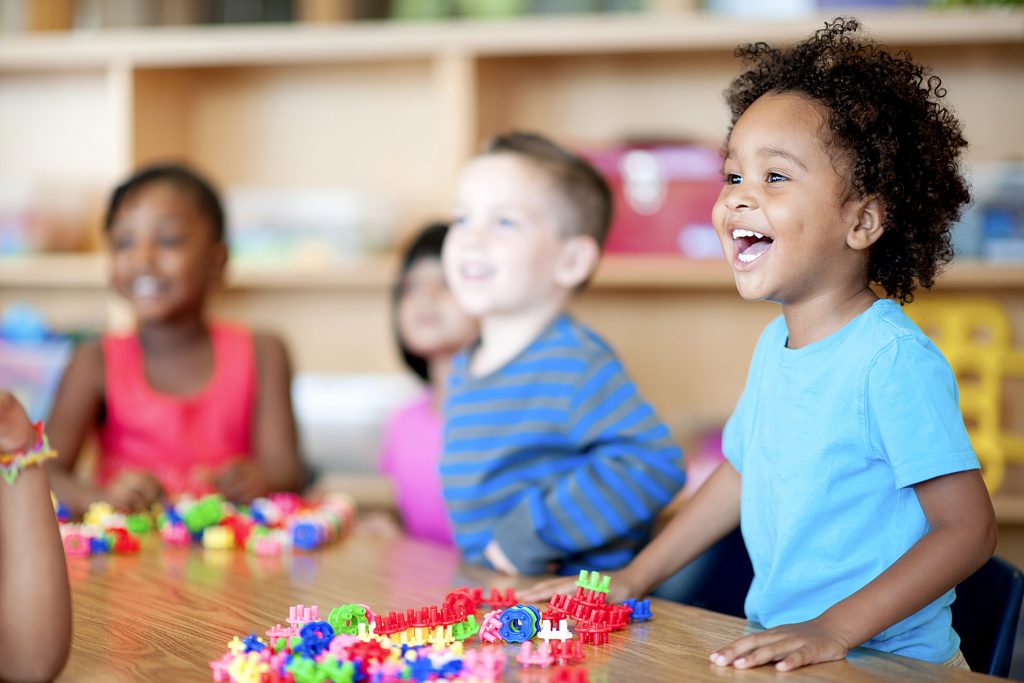
Social skills, including communication, empathy, and cooperation, lay the foundation for a child’s future interactions. Group activities in nursery settings offer an excellent opportunity for young children to learn and practise these skills in a supportive environment.
Group activities provide a structured way for children to engage with their peers, promoting social interaction and collaboration. By participating in these activities, children can learn to share, take turns, and work together towards a common goal.
This blog will explore the types of group activities that are particularly effective for social skill development and how they can be implemented in nursery settings.
Understanding Social Skills
Social skills encompass a range of behaviours that allow individuals to interact positively with others. Key components include effective communication, which involves both expressing oneself and listening to others, empathy, which is the ability to understand and share the feelings of others, and cooperation, which is working together towards a common objective.
Developing these skills in early childhood sets the stage for successful interpersonal relationships later in life.
In nursery settings, the role of social skills is especially critical. Young children are in the process of discovering how to navigate social landscapes.
Through guided interactions and play, they learn to interpret social cues, manage their emotions, and build relationships. These foundational experiences are crucial for their social and emotional development.
Types of Group Activities
Structured play, such as games with set rules or team sports, provides a framework within which children can practise following instructions, taking turns, and cooperating with others.
These activities teach children the importance of adhering to social norms and working within a team to achieve a shared goal, thereby enhancing their social competence.
Creative collaborations, such as group art projects or collective storytelling sessions, encourage children to express their ideas and listen to those of others.
These activities foster creativity while promoting social interaction and cooperation. By working together on a creative task, children learn to value different perspectives and develop a sense of collective accomplishment.

Benefits of Group Activities
Group activities significantly enhance communication skills as children learn to articulate their thoughts and listen to their peers.
These interactions help them understand the dynamics of conversation, such as turn-taking and responding appropriately, which are crucial for effective communication.
Additionally, group activities encourage teamwork and cooperation. By working together, children learn the importance of mutual support and collaboration.
This not only helps them build stronger relationships but also boosts their confidence and self-esteem as they accomplish tasks together and receive positive reinforcement from peers and educators.
Implementing Group Activities
To create inclusive and engaging group activities, it’s essential to consider the interests and developmental levels of all children involved. Activities should be designed to be accessible and enjoyable for everyone, ensuring that each child can participate meaningfully.
It’s also helpful to mix structured and unstructured activities to cater to different learning styles and preferences.
Guiding children through cooperative play requires a balanced approach of supervision and autonomy. Educators should provide clear instructions and support while allowing children the freedom to explore and interact independently.
Positive reinforcement, such as praise and encouragement, is crucial for reinforcing desired behaviours and building children’s confidence in their social abilities.
Conclusion
Group activities play a vital role in developing social skills in early childhood. By enhancing communication, fostering teamwork, and building empathy, these activities contribute significantly to a child’s social and emotional development.
Parents and educators are encouraged to integrate group activities into daily routines to support children’s growth.
Incorporating a variety of group activities not only makes learning enjoyable but also equips children with essential social skills that will benefit them throughout their lives.
By creating supportive and engaging environments, we can help children thrive socially and emotionally.