
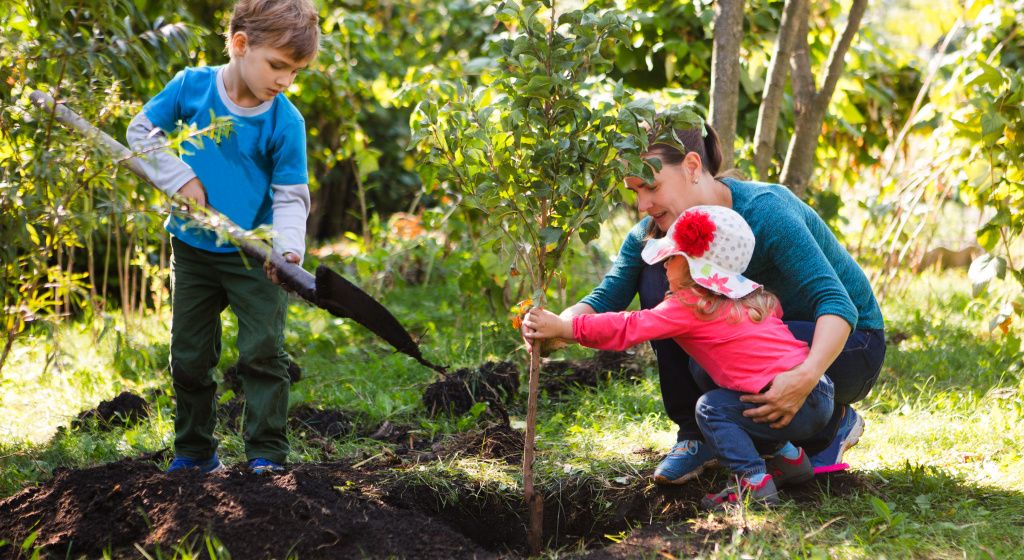
Outdoor play is a vital component of a child’s development, particularly during the preschool years. In a world increasingly dominated by screens, ensuring that children have ample opportunities to explore and play outside is more important than ever. Outdoor environments offer unique challenges and experiences that help nurture young minds and bodies in ways that indoor activities cannot replicate.
Engaging in outdoor play allows preschoolers to develop both self-confidence and essential social skills. The freedom to explore, interact with peers, and engage in unstructured activities encourages creativity, resilience, and collaboration. These benefits are not only immediate but lay a strong foundation for their future emotional and interpersonal growth.
The Psychological Benefits of Outdoor Play
Outdoor play provides children with opportunities to develop independence and self-confidence. Activities such as climbing, exploring nature, or navigating playground equipment allow children to take manageable risks in a safe environment.
Overcoming these challenges fosters a sense of achievement and builds resilience, as children learn to trust their abilities and recover from setbacks.
Additionally, spending time outdoors has been shown to reduce stress and anxiety in children. Being in natural environments provides a calming effect, improving mood and emotional well-being.
This mental clarity enables children to approach social interactions and problem-solving tasks with greater confidence.
Social Skills Developed Through Outdoor Activities
Outdoor play naturally encourages interaction among peers, fostering key social skills such as teamwork and communication. Games that require collaboration, such as building sandcastles or playing tag, teach children how to work together to achieve a common goal.
These interactions help preschoolers understand the importance of sharing, taking turns, and listening to others.
Furthermore, unstructured outdoor play provides opportunities for children to engage in imaginative scenarios, which helps them develop empathy and an understanding of different perspectives.
Role-playing activities, for example, enable children to practice resolving conflicts and negotiating roles, essential skills for building strong relationships.
How Outdoor Play Supports Physical Development
Physical activity is a cornerstone of outdoor play, and its impact extends beyond just fitness. Activities such as running, jumping, and balancing not only improve gross motor skills but also boost a child’s confidence.
Mastering physical challenges helps children feel capable and proud of their accomplishments, which translates to greater self-assurance in other areas of life.
Moreover, the connection between physical and social development cannot be overstated. As children participate in group activities like obstacle courses or team sports, they learn to cooperate and support each other.
This synergy between physical and social growth enhances their ability to form meaningful connections and build a sense of belonging.
Structured vs. Unstructured Outdoor Play
Both structured and unstructured outdoor play offers unique benefits for preschoolers. Structured activities, such as team sports or guided nature walks, teach children discipline, goal-setting, and the value of following rules.
These experiences help them develop a sense of accountability and improve their ability to work within a group setting.
On the other hand, unstructured play allows children to explore their creativity and make independent decisions. Activities like building forts or inventing new games provide the freedom to experiment and problem-solve without predefined boundaries.
This type of play encourages self-expression and adaptability, which are crucial for both confidence and social competence.
Role of Parents and Educators in Facilitating Outdoor Play
Parents play a pivotal role in encouraging outdoor play by creating safe and stimulating environments for their children. Simple steps, such as visiting local parks or organising playdates, can provide rich opportunities for exploration and social interaction.
Showing interest and participating in these activities also strengthens the parent-child bond and reinforces the importance of outdoor play.
Educators, too, have a significant responsibility in promoting outdoor activities within the school curriculum. Incorporating outdoor learning sessions or maintaining well-equipped play areas can ensure that children receive the benefits of both structured and unstructured play.
By recognising the value of outdoor play, schools can create inclusive environments that cater to diverse developmental needs.
Conclusion
Outdoor play is much more than just a fun pastime for preschoolers—it is a critical aspect of their growth and development.
By fostering independence, building resilience, and encouraging social connections, outdoor activities equip children with the confidence and interpersonal skills needed to thrive.
Parents and educators must prioritise outdoor play to ensure children reap its full benefits.
Whether it’s a simple game of catch in the garden or more organised group activity, every moment spent outdoors contributes to a child’s holistic well-being and prepares them for future success.