
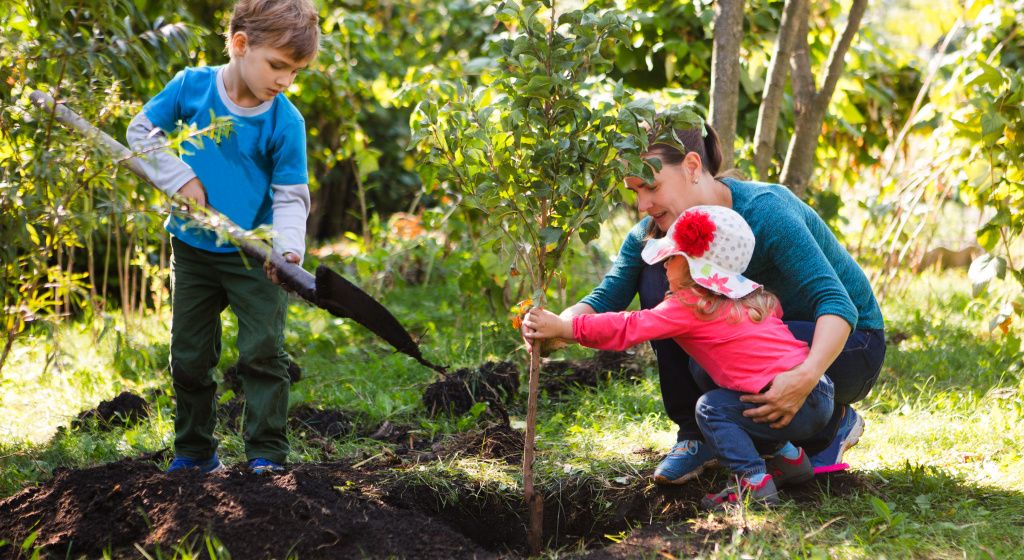
At Minnie & Mamma, we believe that childhood is a time for exploration, discovery, and development. Nature-based learning is becoming an increasingly popular approach in early childhood education, and for good reason.
Immersing young children in natural environments provides far more than just a break from the classroom; it plays a crucial role in shaping their cognitive abilities.
From improving memory to enhancing problem-solving skills, the benefits of engaging with nature during these formative years are profound.
Cognitive development in early childhood refers to the way children learn, think, and process information. It involves everything from language development and problem-solving to memory and concentration. Nature offers a unique and rich learning environment that nurtures all these aspects.
Research has shown that the sensory-rich experiences provided by outdoor spaces allow children to develop their cognitive abilities in ways that a traditional classroom setting simply cannot match.
As children interact with their surroundings, they are constantly challenged to think critically and use their imagination, skills that are vital for cognitive growth.

Understanding Cognitive Development in Early Childhood
Understanding cognitive development in early childhood is essential to appreciating the benefits of nature-based learning. During the early years, a child’s brain undergoes rapid growth, creating millions of neural connections that form the foundation for future learning and behaviour.
At Minnie & Mamma, we understand that every experience in these years contributes to the architecture of the brain, making it critical to provide enriching environments.
Outdoor play not only supports physical development but also strengthens cognitive abilities by encouraging children to engage all their senses, explore new ideas, and make decisions based on their environment.
In nature, children are exposed to experiences that challenge their thinking in unique ways. This is where the role of nature in stimulating cognitive skills becomes evident.
Outdoor settings, whether a forest, park or even a garden, are inherently stimulating to the senses. Children engage with the world in a tactile way, feeling leaves, listening to birds, and observing how insects move.
These sensory experiences are essential in developing sensory processing skills, which are directly linked to cognitive functions like focus, attention, and decision-making.
Studies have shown that children who spend time in natural settings demonstrate improved concentration and a better ability to focus, skills that are critical as they begin their academic journey.

Nature and Problem-Solving Skills
Problem-solving is another vital cognitive skill that is enhanced through nature-based learning. Nature provides an unstructured environment where children are free to experiment and take risks, which are important aspects of problem-solving.
At Minnie & Mamma, we have seen firsthand how outdoor play encourages children to think on their feet. Whether they are building a den from sticks or figuring out how to cross a stream, these activities require them to assess situations, come up with solutions, and adjust their approach if something doesn’t work.
This type of play nurtures critical thinking and decision-making skills that will benefit them throughout their lives. Language and communication are also positively influenced by time spent in nature.
When children explore outdoor environments, they are often compelled to describe what they see, hear, and feel. This not only introduces new vocabulary but also strengthens their ability to articulate their thoughts clearly.
We encourage children to communicate their experiences during outdoor activities, whether it’s explaining how they found a particular insect or describing a tree they’ve seen. Group nature-based activities also foster communication skills, as children collaborate and discuss what they discover, helping to develop both their language and social skills.

Nature as a Tool for Memory Development
Another cognitive benefit of nature-based learning is its ability to boost memory development. The hands-on, exploratory nature of outdoor play makes learning more meaningful and memorable. When children physically engage with their environment, they are more likely to retain information.
For example, a child who learns about plants by touching, smelling, and observing different species in the garden will have a much stronger memory of those experiences compared to simply seeing them in a book.
We utilise nature as a teaching tool, helping children create lasting memories through real-world interactions. Creativity and imagination flourish in natural settings as well. Without the constraints of structured indoor play, children are free to use their imagination and come up with inventive games and scenarios.
A stick can become a magic wand, a pile of leaves a treasure trove. This kind of imaginative play is crucial for cognitive development because it allows children to think abstractly and solve problems in creative ways.
By fostering creativity through nature, we at Minnie & Mamma ensure that children not only enjoy themselves but also build cognitive flexibility that will serve them in more structured learning environments.
Nature-Based Learning and Academic Readiness
Lastly, nature-based learning has been shown to improve academic readiness, a key aspect of early childhood cognitive development.
Time spent outdoors helps children develop the focus, problem-solving abilities, and memory skills they need to succeed in more traditional academic settings.
Whether they are sorting leaves by size or counting the number of different insects they find, nature offers countless opportunities for children to develop early maths and science skills in a hands-on way.
We incorporate nature into our curriculum to ensure that our children are not only physically active but also mentally prepared for the next steps in their educational journey.

Conclusion
In conclusion, nature-based learning offers a multitude of cognitive benefits that support early childhood development.
From enhancing problem-solving skills and boosting memory to fostering creativity and improving academic readiness, time spent in nature helps children grow in ways that extend far beyond the classroom.
At Minnie & Mamma, we are committed to creating learning environments that integrate the best of both worlds—nature and education—ensuring that each child’s cognitive development is fully supported.
Nature’s classroom is vast and varied, and we believe that by harnessing its power, we can give our children the best possible start in life.