
Fostering creativity in early childhood is crucial for the holistic development of preschoolers. Creativity enhances cognitive abilities, problem-solving skills, and emotional expression. Through play, children can explore their imagination, experiment with new ideas, and learn to think outside the box. This blog will delve into the various ways play can be used to nurture creativity in young children and provide practical tips for parents and educators.
Play is not just a source of entertainment for children; it is a powerful tool for learning and development. Engaging in creative play helps preschoolers develop their cognitive and social skills, preparing them for future academic and personal success. By understanding the different types of play and how they contribute to creativity, parents and educators can create an environment that encourages and supports imaginative exploration.
Understanding Creativity in Preschoolers
Creativity in early childhood can be defined as the ability to generate new ideas, solve problems in unique ways, and engage in imaginative thinking. Young children naturally exhibit creativity through their curiosity, exploration, and play. Key characteristics of creative children include a high level of curiosity, an eagerness to explore new things, and the ability to think divergently.
Imagination and exploration play a crucial role in fostering creativity. When children engage in imaginative play, they create scenarios and stories that allow them to explore different perspectives and solutions.
This type of play encourages them to think critically and develop their problem-solving skills. By supporting imaginative and exploratory activities, parents and educators can help children build a strong foundation for creative thinking.

Types of Play That Enhance Creativity
Imaginative Play: This type of play includes role-playing, dress-up games, and storytelling. When children pretend to be different characters or create their own stories, they use their imagination to explore various scenarios and outcomes. This helps them develop their creative thinking and narrative skills.
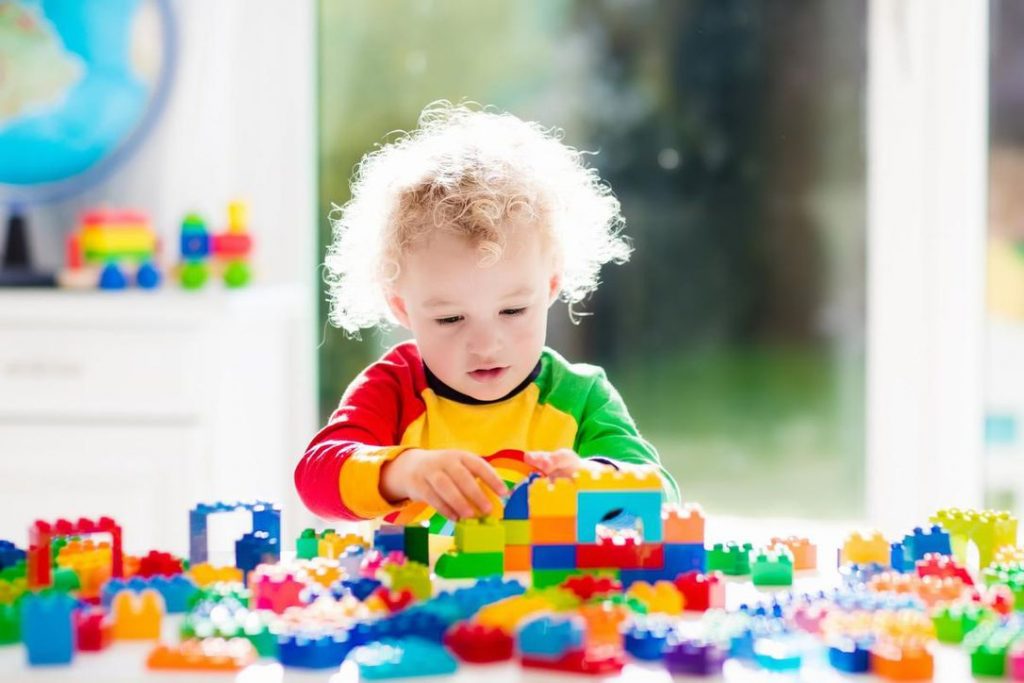
Constructive Play: Activities like building with blocks, completing puzzles, and engaging in arts and crafts fall under constructive play. These activities encourage children to use their creativity to create new structures, solve problems, and express themselves artistically. Constructive play helps develop fine motor skills, spatial awareness, and the ability to plan and execute ideas.
Physical Play: Physical activities such as dance, movement games, and outdoor play are essential for developing creativity. Physical play allows children to express themselves through movement, explore their environment, and engage in imaginative scenarios. It also promotes physical health and coordination, which are important for overall development.
Sensory Play: Sensory activities involve using different materials like sand, water, and tactile objects to engage children’s senses. Sensory play stimulates creativity by allowing children to explore textures, shapes, and sensations. It also helps develop fine motor skills and encourages children to experiment with different materials and their properties.

Practical Tips for Parents and Educators
Creating a stimulating environment is key to fostering creativity in preschoolers. Providing a variety of tools and materials such as art supplies, building blocks, and costumes can encourage children to engage in creative play. Balancing structured activities with unstructured playtime allows children to explore their interests and develop their creativity at their own pace.
Encouraging open-ended play is crucial for fostering creativity. Instead of directing the play, parents and educators should allow children to take the lead and explore their ideas without predefined outcomes. Adults can participate by asking open-ended questions and providing support when needed, but it is important to let the children’s imagination guide the play.
Benefits of Fostering Creativity Through Play
Fostering creativity through play has numerous benefits for preschoolers. Engaging in creative activities enhances problem-solving skills as children learn to think critically and come up with innovative solutions. Creative play also improves social and emotional development by allowing children to express their feelings, develop empathy, and build relationships with others.
Additionally, creative play boosts cognitive and language abilities. When children engage in imaginative scenarios, they practice language skills, expand their vocabulary, and develop their storytelling abilities. Creativity also encourages independence and confidence as children learn to trust their ideas and make decisions on their own.

Addressing Common Challenges
One common challenge in fostering creativity is overcoming screen dependency. Encouraging more physical and imaginative play can help reduce the time spent on screens and promote healthier, more engaging activities. Providing a variety of stimulating materials and activities can also help capture children’s interest and keep them engaged in creative play.
Dealing with mess and chaos is another challenge when fostering creativity. Creative activities often involve materials that can create a mess, but this should not deter parents and educators. Implementing strategies like designated play areas, easy-to-clean surfaces, and clear rules about tidying up can help manage the mess while allowing children to explore their creativity freely.
Conclusion
In conclusion, fostering creativity through play is essential for the holistic development of preschoolers. By understanding the importance of creativity, recognising the different types of play that enhance it, and implementing practical tips, parents and educators can create an environment that nurtures and supports creative thinking. The benefits of fostering creativity in early childhood extend beyond immediate development, preparing children for future success and personal growth.
Encouraging parents and educators to integrate creative play into daily routines is vital for maximising these benefits. With the right support and opportunities, children can develop their creativity, problem-solving skills, and confidence, laying a strong foundation for lifelong learning and development.
For further reading on creative play, consider exploring books and resources that offer additional ideas and strategies for fostering creativity in young children. Sharing personal experiences and questions in the comments section can also provide valuable insights and support for others on the same journey. Let’s work together to create a stimulating and nurturing environment for our preschoolers, where their creativity can thrive.