
Ofsted can feel like a big word when you are choosing a nursery, but for parents it comes down to something very practical. Is this a setting where children are known, cared for, supported and helped to learn in ways that suit their age and stage?
The most useful quality signals are often found in everyday routines, staff knowledge, clear policies and calm responses when something needs attention. This guide explains what Ofsted looks for and how parents can use that understanding when reading about nursery standards, procedures and inspection readiness.
Why Ofsted matters, but does not tell the whole story
Ofsted inspections are designed to look at how well an early years provider supports children’s learning, development, safety and welfare. Inspectors gather evidence from what leaders say, what staff do, how children respond, and how procedures are understood in practice. For parents, that means the most important question is not simply whether a nursery has policies. It is whether those policies are active, understood and visible in the way the setting works.
A strong nursery should be able to explain its approach without making it feel like a box ticking exercise. You might see this in how staff talk about settling children, how routines are adapted for different needs, how behaviour is supported, and how concerns are recorded and followed up. Good practice usually feels joined up. The written procedure, the staff answer and the daily routine all point in the same direction.
It is also worth remembering that Ofsted language and inspection frameworks can change over time. Parents do not need to memorise inspection terms to make a confident decision. A better approach is to look for clear evidence that the nursery understands its responsibilities and reviews its practice regularly. If you want to see how Minnie and Mamma explains this side of nursery life, its policies, procedures and Ofsted information is a natural starting point.
The learning experience should be purposeful, not random
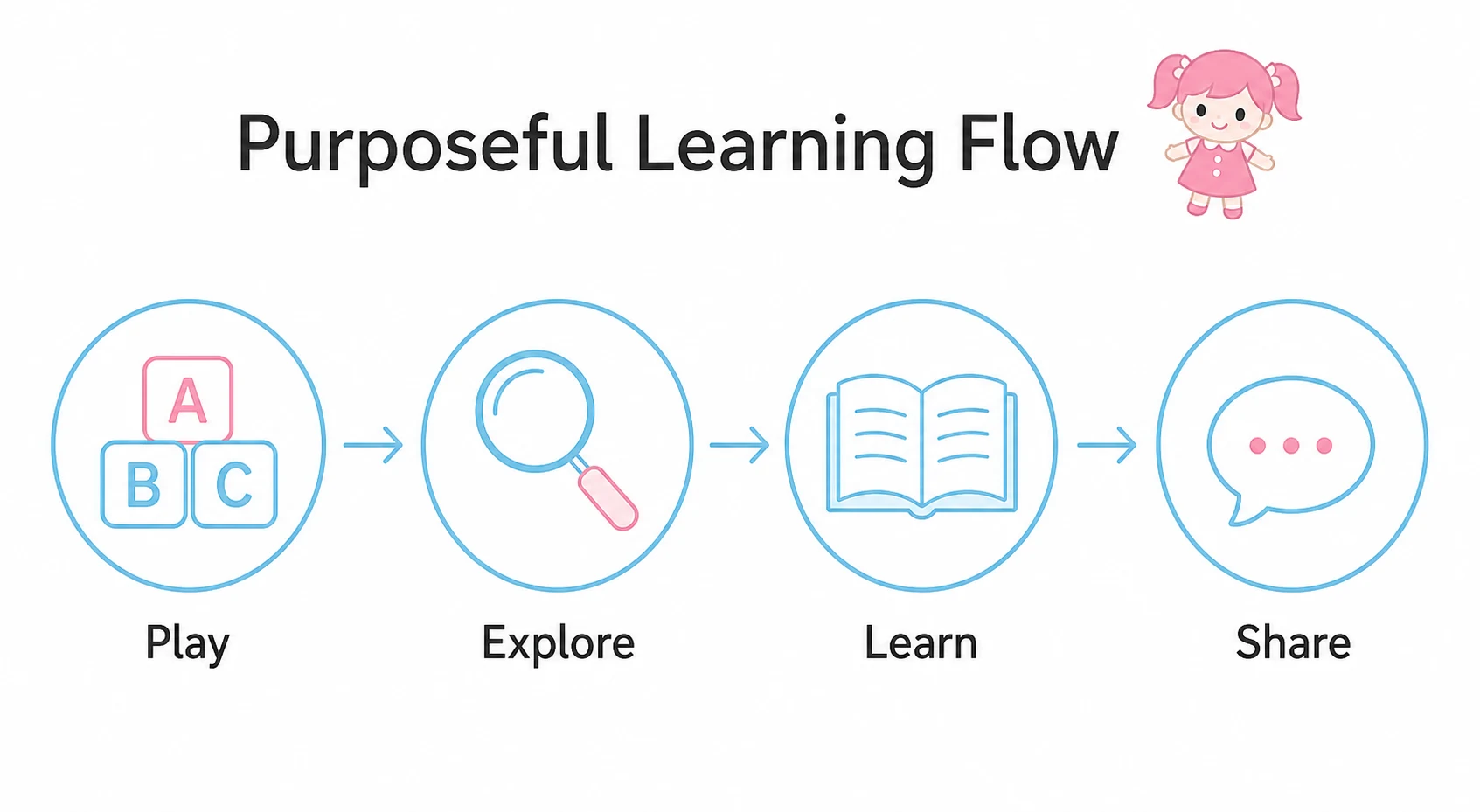
One area inspectors consider is how children are helped to learn and develop. In nursery life, this does not mean formal lessons or pressure. It means staff understand what children are ready for, plan meaningful experiences and notice progress over time.
Parents can look for signs that activities have a purpose behind them. A painting activity might support fine motor skills, creativity and language. Story time might build listening, vocabulary and confidence. Outdoor play might support movement, risk awareness and social skills. The activity itself matters, but the adult thinking behind it matters even more.
A strong setting should be able to explain how staff observe children, respond to their interests and support next steps. This should include children who are confident and children who need more time, reassurance or adaptation. Quality is not about every child doing the same thing at the same pace. It is about staff knowing each child well enough to help them move forward.
When parents visit or read nursery information, useful questions include:
- How do staff decide which activities to offer?
- How are children’s interests included in planning?
- How is progress shared with parents?
- What happens if a child needs extra support?
Answers should feel practical and specific. Vague promises are less reassuring than a simple explanation of how staff notice, record and support learning each day.
Safe care is built into routines
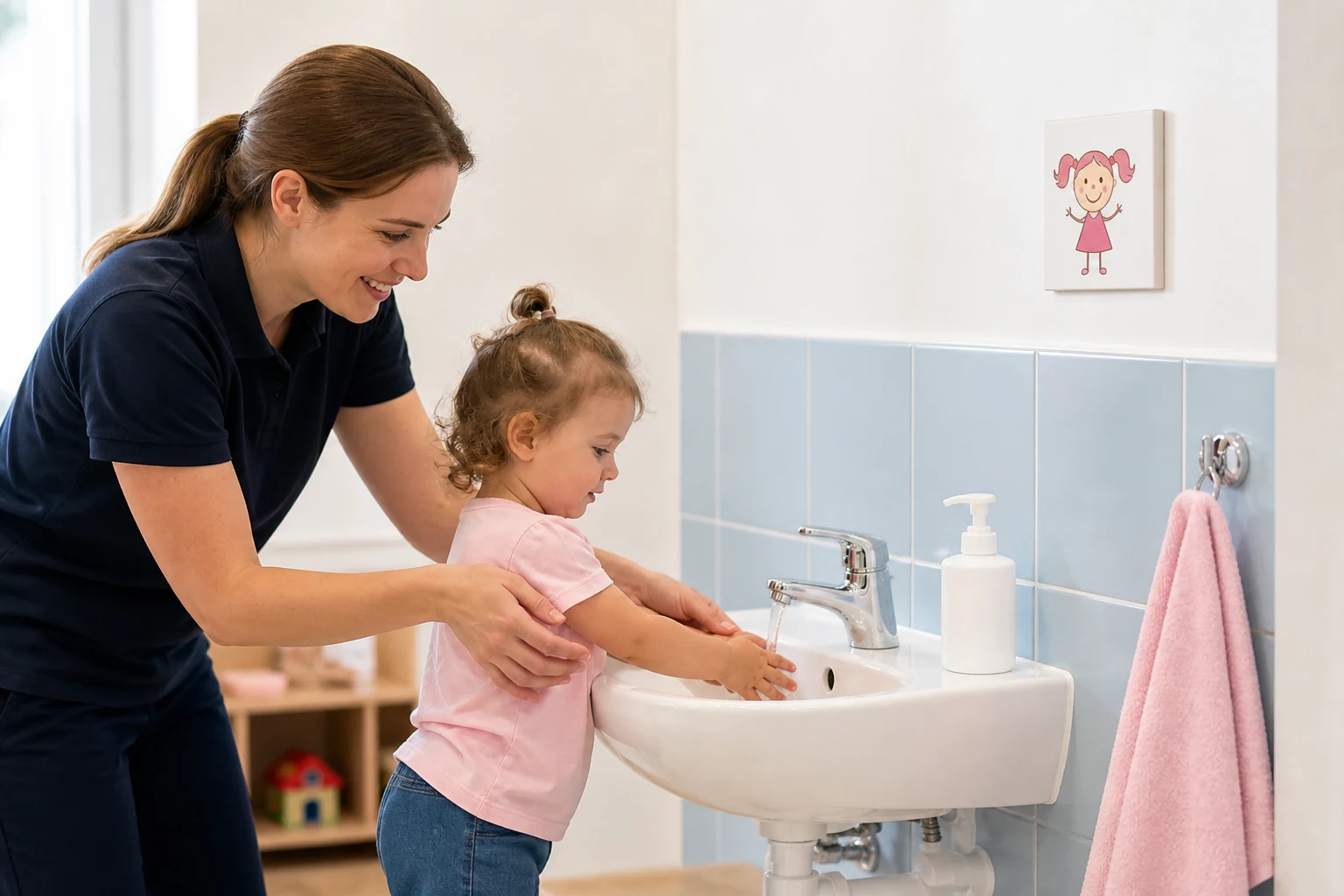
Safeguarding and welfare are central to nursery standards. Parents often think of safety as policies, checks and secure procedures, which are all important. Ofsted also looks at how well those responsibilities are understood by the adults caring for children.
In practice, safe care is often found in ordinary moments. Staff know who is collecting a child. Allergies and medical needs are understood. Hygiene routines are followed consistently. Accidents are recorded and communicated. Children are supervised appropriately. Concerns are taken seriously and passed to the right person.
This is where strong procedures become reassuring rather than intimidating. A nursery with clear procedures is showing that important decisions are not left to chance. Staff have guidance to follow, leaders can check practice, and parents can understand what will happen if a concern, illness, accident or change in routine occurs.
Parents do not need to inspect every document in detail, but they should feel comfortable asking how key areas are managed. The tone of the answer matters. Staff should be calm, clear and confident, with no sense that policies are hidden or treated as a formality. For a wider parent view on choosing childcare, Minnie and Mamma’s guide to things to look for when choosing a nursery offers helpful points to consider alongside Ofsted related information.
Staff knowledge is one of the clearest quality signals

Policies only work when staff understand them. One of the strongest signs of a well run nursery is that carers can explain what they do and why they do it. This does not need to sound rehearsed. In fact, the most reassuring answers are often simple, practical and rooted in daily care.
Parents might ask how staff help a child who is upset at drop off, how they encourage sharing, how they support speech and language, or how they manage toileting and independence. Good answers usually show patience, consistency and knowledge of child development. They also show that staff see behaviour as communication, not just something to correct.
Ofsted will also be interested in leadership. For parents, leadership is not just about who manages the setting. It is about whether staff are supported, expectations are clear, training is taken seriously and practice is reviewed. When leadership is strong, the nursery feels consistent. Parents are less likely to receive conflicting answers from different people because the team is working from the same principles.
If you are unsure what different nursery roles involve, the guide to what a nursery nurse does can help you understand the care, learning and communication responsibilities that sit behind the job title.
Inspection readiness should feel like everyday readiness
A nursery should not need to become a different place when inspection is due. The strongest form of inspection readiness is steady, everyday readiness. That means records are kept sensibly, procedures are reviewed, staff understand expectations and leaders know what is happening across the setting.
For parents, this is reassuring because it shows that quality is not dependent on a special visit or a perfect day. Children benefit most from consistency. They need adults who know routines, notice changes, communicate clearly and respond with care when plans need to shift.
Inspection readiness can include staff training, risk assessment, safeguarding records, recruitment checks, curriculum planning, parent communication and review of incidents or concerns. That may sound like a lot of paperwork, but the purpose is simple. It helps the nursery protect children, support staff and keep improving.
When reading nursery information, look for plain explanations rather than complicated wording. A good setting should make its approach understandable to parents. You should be able to see how policies connect to real decisions, from settling in and daily activities to illness, behaviour, collection arrangements and communication with families.
If you are planning ahead, it can also help to understand the application process and timing. Minnie and Mamma’s advice on when to apply for a nursery explains why early conversations can give parents time to ask questions properly.
How parents can read Ofsted related information with confidence
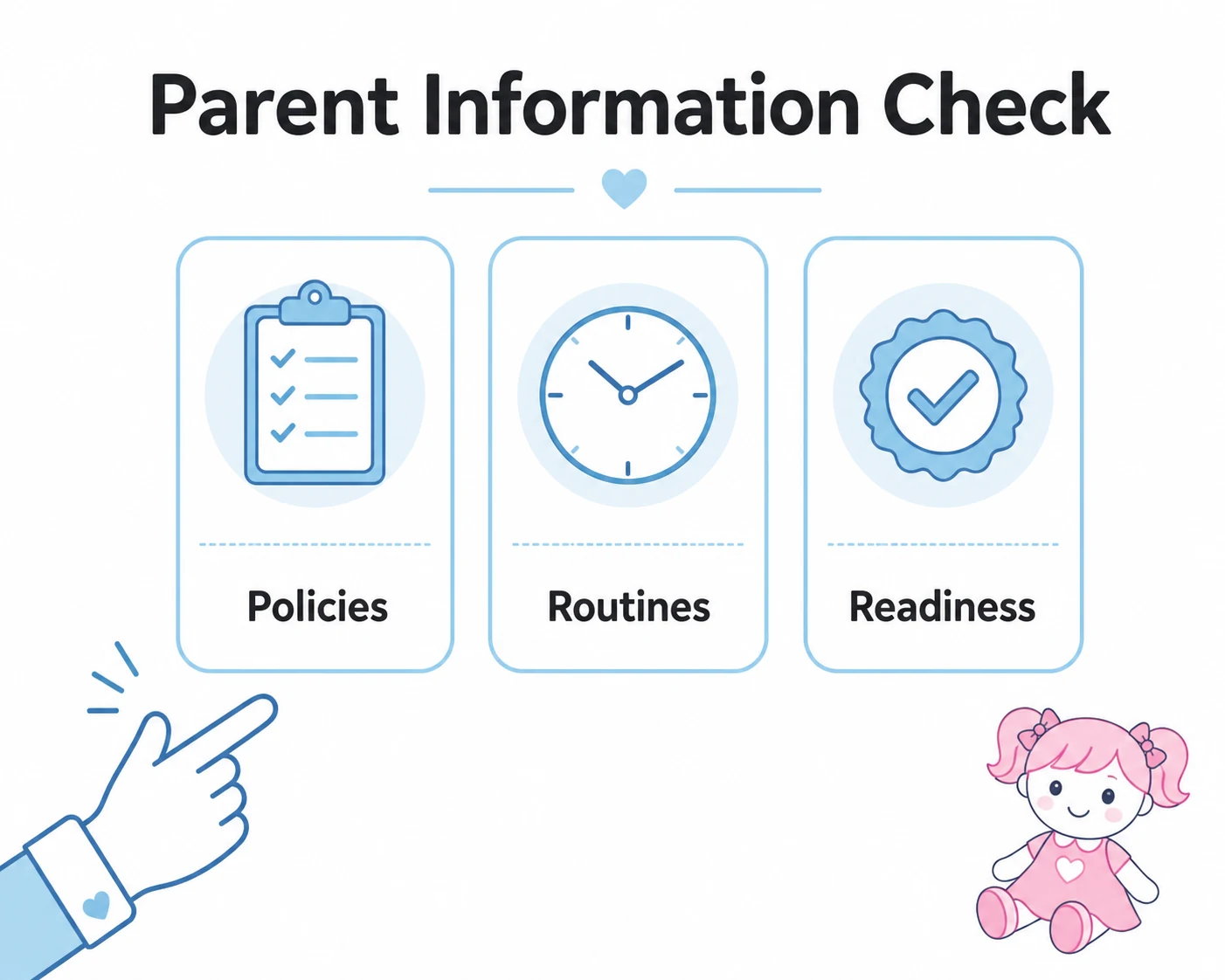
When you look at a nursery website, inspection report or policy page, try to read it as a parent rather than as an inspector. You are not trying to catch anyone out. You are looking for signs that the setting is organised, open and thoughtful.
Useful signs include clear safeguarding information, named responsibilities, transparent procedures, a calm explanation of routines, and a willingness to answer questions. You can also look for evidence that parents are part of the communication loop. A nursery should explain what it shares with families, when it shares it and how parents can raise concerns or updates.
It is reasonable to ask questions such as:
- How often are policies reviewed?
- How do staff learn about updated procedures?
- How are accidents, concerns or changes communicated to parents?
- How does the nursery support children with different needs?
- How do leaders check that practice is consistent?
The best answers should make you feel more informed, not overwhelmed. Strong procedures are there to support warmth, care and trust. They give staff a shared way to work, and they give parents confidence that the nursery is prepared for the everyday situations that matter most.
- Ofsted related quality is about everyday practice, not just written documents.
- Parents should look for clear links between policies, staff knowledge and daily routines.
- Strong procedures are reassuring because they help staff respond consistently and calmly.
- A good nursery can explain how it supports learning, safety, behaviour and communication.
- Inspection readiness should feel like normal nursery readiness, with clear records and confident staff.
Frequently asked questions
What does Ofsted look for in a nursery?
Ofsted looks at how well a nursery supports children’s learning, development, safety and welfare. Inspectors gather evidence from leadership, staff practice, routines, records, safeguarding, behaviour support and how children are helped to make progress.
Should parents read nursery policies before applying?
Yes, but you do not need to study every policy in detail. Focus on whether the nursery explains key procedures clearly, including safeguarding, illness, accidents, behaviour, collection, communication and support for individual needs.
Is an Ofsted report enough to judge a nursery?
An Ofsted report is useful, but it should sit alongside your own questions, visits and conversations with staff. Look for consistency between the report, the nursery’s information and what staff explain about daily care.
What is a good sign when asking staff about procedures?
A good sign is a clear, calm and practical answer. Staff should be able to explain what happens, who is responsible and how parents are kept informed, without making the process feel confusing or hidden.
Talk to us about nursery standards
If you are comparing nursery options, Minnie and Mamma Nursery can help you understand how clear procedures, caring routines and inspection awareness support children every day.