
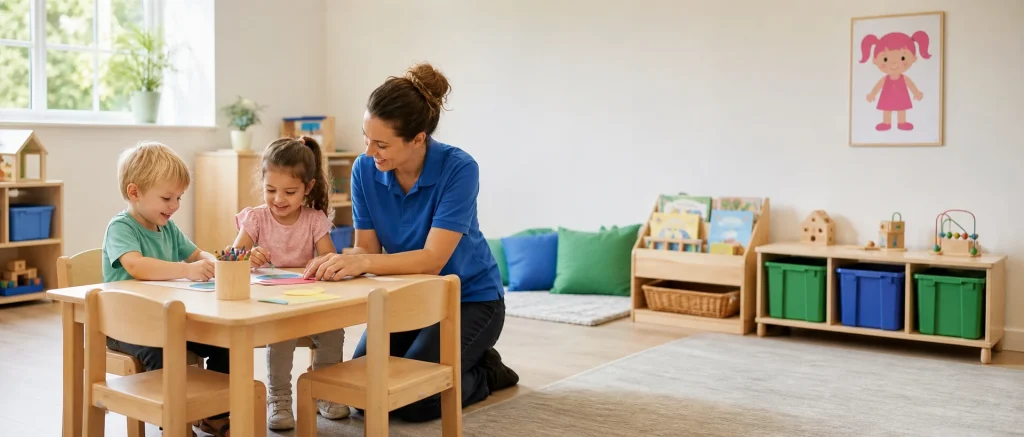
Parents want nursery to feel warm, happy and full of discovery. They also need to know that behind the songs, stories, meals, naps and play, there are clear routines keeping children safe.
Good nursery safety is not about making childhood feel restricted. It is about giving children the freedom to explore within a setting where staff know what to do, what to check and how to respond with calm care.
Why nursery safety policies matter
A nursery policy is only useful when it shapes what happens in the room each day. It gives staff a shared way of working, so safety does not depend on guesswork, habit or one person remembering everything at once.
For parents, policies can feel like paperwork at first glance. In practice, they cover the everyday details that matter most, such as who may collect a child, how accidents are recorded, how allergies are managed, how medicines are handled and how concerns are passed on.
Clear nursery policies, procedures and Ofsted information also help families understand the standards a setting works to. A nursery should be able to explain its procedures in plain language and show how they support a safe, nurturing environment.
Children benefit because adults are consistent. When staff follow the same approach to hygiene, supervision, sleep, meals and behaviour, children experience a predictable day. That predictability helps them feel settled, and settled children are often more confident to join in, ask for help and try new things.
The everyday routines that keep children safe
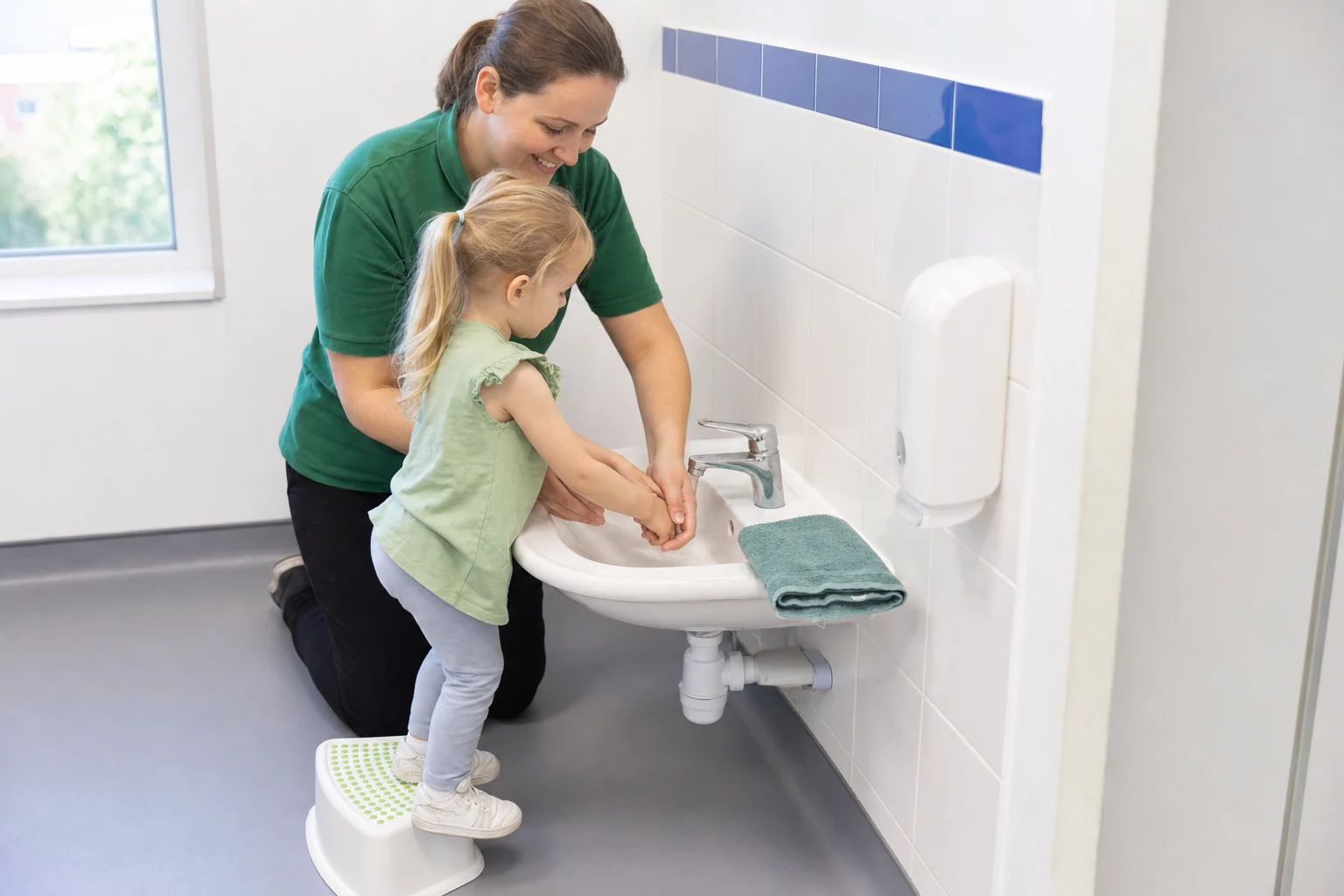
Many of the strongest safety measures in a nursery are quiet, repeated routines. They happen before parents arrive, during play, at mealtimes, in the garden, at sleep time and during collection.
Staff checks may include making sure entrances are secure, rooms are ready, resources are suitable for the children using them and any known medical or dietary needs are understood before the session begins. These routines help the day start with attention rather than rush.
During the day, staff supervision is active. That means adults are not just present in the room, they are watching how children are moving, listening to conversations, noticing changes in mood and stepping in early when support is needed. Good supervision still allows children to play freely, but it keeps adults close enough to guide risk sensibly.
Safety routines often include:
- Registers and attendance checks so staff know who is in the building.
- Secure handover at arrival and collection.
- Regular hygiene routines, including handwashing and cleaning shared resources.
- Careful food and allergy procedures at snack and meal times.
- Accident recording, parent updates and follow up where needed.
- Sleep checks that match the nursery procedure and each child’s needs.
These routines may look simple from the outside, but their value is in being repeated carefully. Children can then enjoy stories, creative play, outdoor time and friendship while staff keep the wider setting calm and organised.
How Ofsted aware procedures support quality care
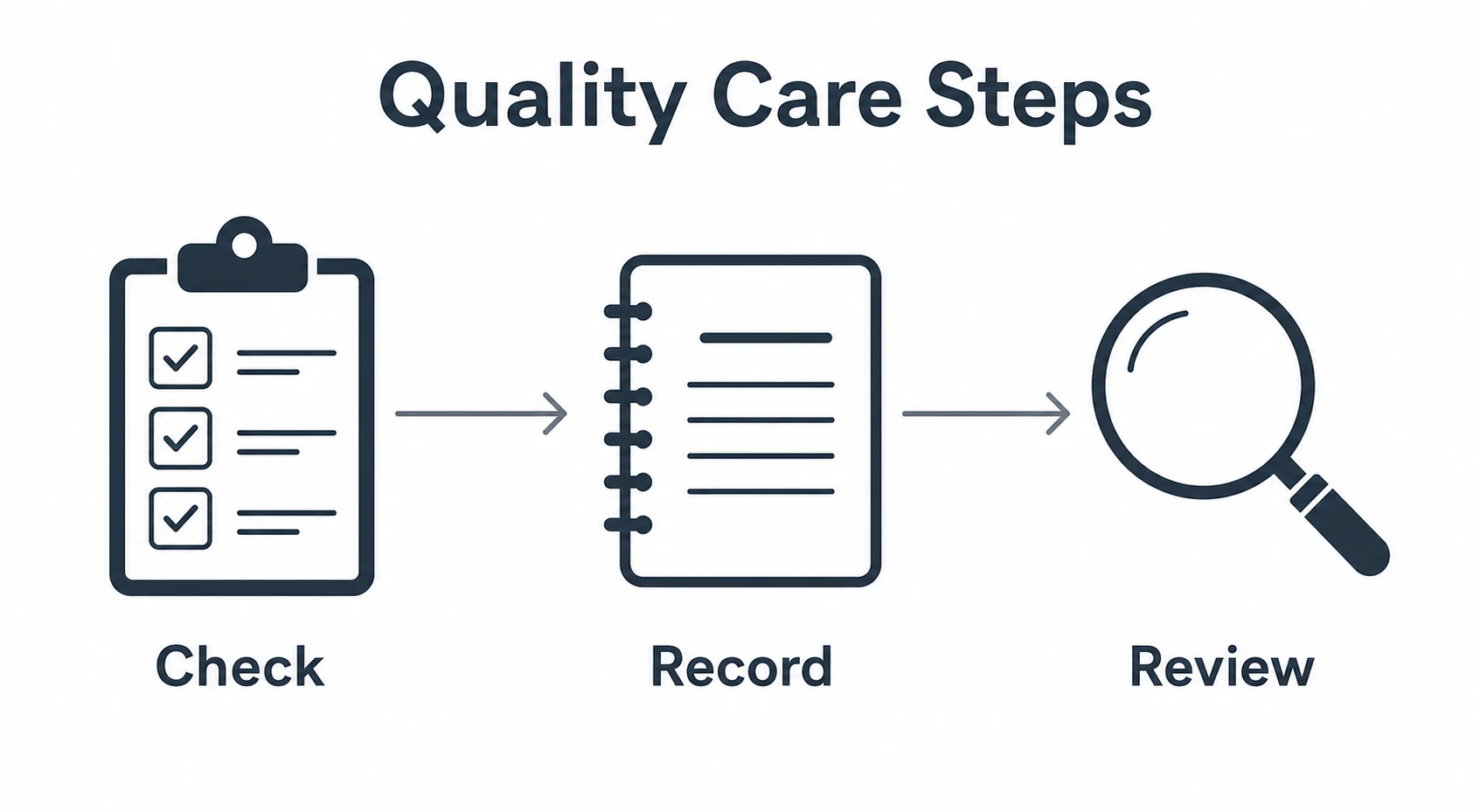
Ofsted aware procedures help nurseries keep their practice connected to recognised early years expectations. This does not mean every moment becomes a formal inspection exercise. It means the nursery has systems for leadership, staff training, safeguarding, learning, care and communication.
Parents should expect a nursery to understand safeguarding responsibilities, safer recruitment principles, child protection procedures and the importance of recording concerns accurately. These areas are serious, but they sit alongside the warmth and trust children need from familiar adults.
Ofsted awareness also encourages reflection. Strong settings do not simply write a policy and leave it untouched. They review what works, update procedures when guidance changes, and talk with staff about how rules apply in real situations.
For example, a behaviour policy should not just say that children must be kind. It should help staff respond when a child is overwhelmed, tired, frustrated or struggling to share. A health and safety policy should not just mention risk. It should guide how staff prepare spaces, supervise play and respond if something unexpected happens.
This balance matters because nurseries care for children at different stages. Babies, toddlers and older children all need different levels of support. A strong procedure gives staff a framework, while professional judgement helps them adapt that framework to the child in front of them.
Safety should still feel nurturing
The best safety culture feels calm, not cold. Children should not feel watched in a way that limits their curiosity. They should feel known, supported and gently guided.
This is especially important in early years because children learn through movement, touch, repetition, social contact and trial and error. A safe nursery does not remove every challenge. It manages the environment so children can build confidence without being exposed to unnecessary danger.
That can mean helping a child climb carefully, showing them how to use craft materials, reminding them to walk indoors, supporting them through big feelings or giving them language to solve a disagreement. Safety and learning often happen together.
Well planned nursery activities also support safe development because children are engaged, supervised and offered choices that suit their age and stage. Parents can see how this wider approach connects with important activities for children at nursery, where play is purposeful as well as enjoyable.
A nurturing approach also means staff communicate with children respectfully. Instead of only saying no, they explain, redirect and model safe choices. Over time, children begin to understand simple boundaries for themselves, such as waiting their turn, washing hands, tidying resources and asking an adult before leaving an area.
Communication with parents is part of safety
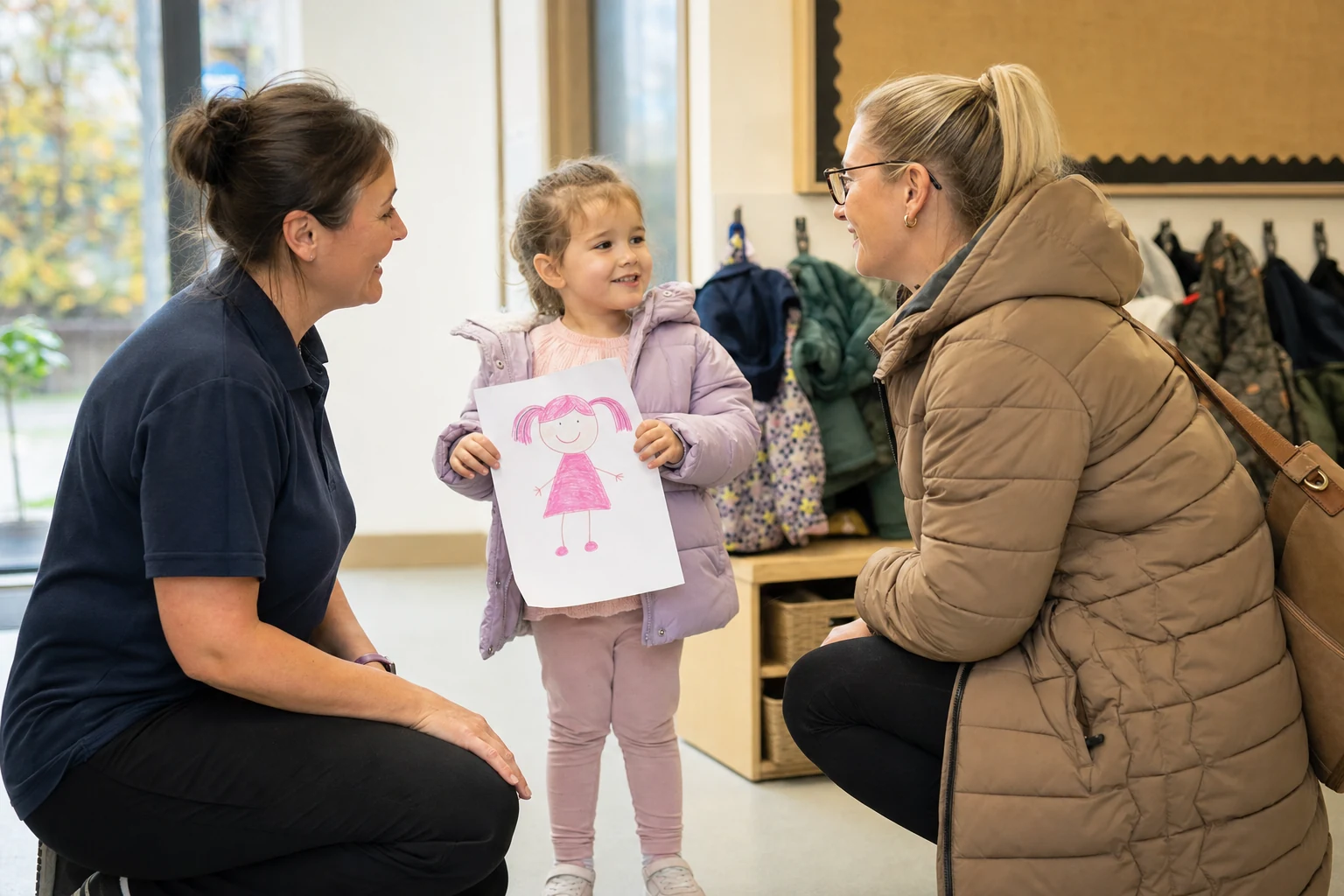
Parents and nursery staff both hold important information about a child. When that information is shared well, children are safer and better supported.
A good handover can help staff understand if a child had a difficult night, is teething, has eaten less than usual or is feeling anxious. At collection, parents may need to know about meals, sleep, toileting, mood, play, minor bumps or anything staff are monitoring.
Communication also matters when children are settling in. Separation can be emotional for both children and parents, and safety includes emotional security as well as physical care. Families who are navigating this stage may find practical reassurance in guidance on helping with separation anxiety.
Parents can support nursery safety by keeping contact details current, sharing medical updates promptly, naming authorised collectors clearly and asking questions if a procedure is unclear. A nursery should welcome sensible questions because they show that families are engaged in their child’s care.
Strong communication also reduces small risks before they become bigger issues. If a child has a new allergy, a change in medication, a recent fall at home or a worry around toileting, staff need to know. The more joined up the relationship is, the easier it is for everyone to respond consistently.
What parents can look for in a safe nursery
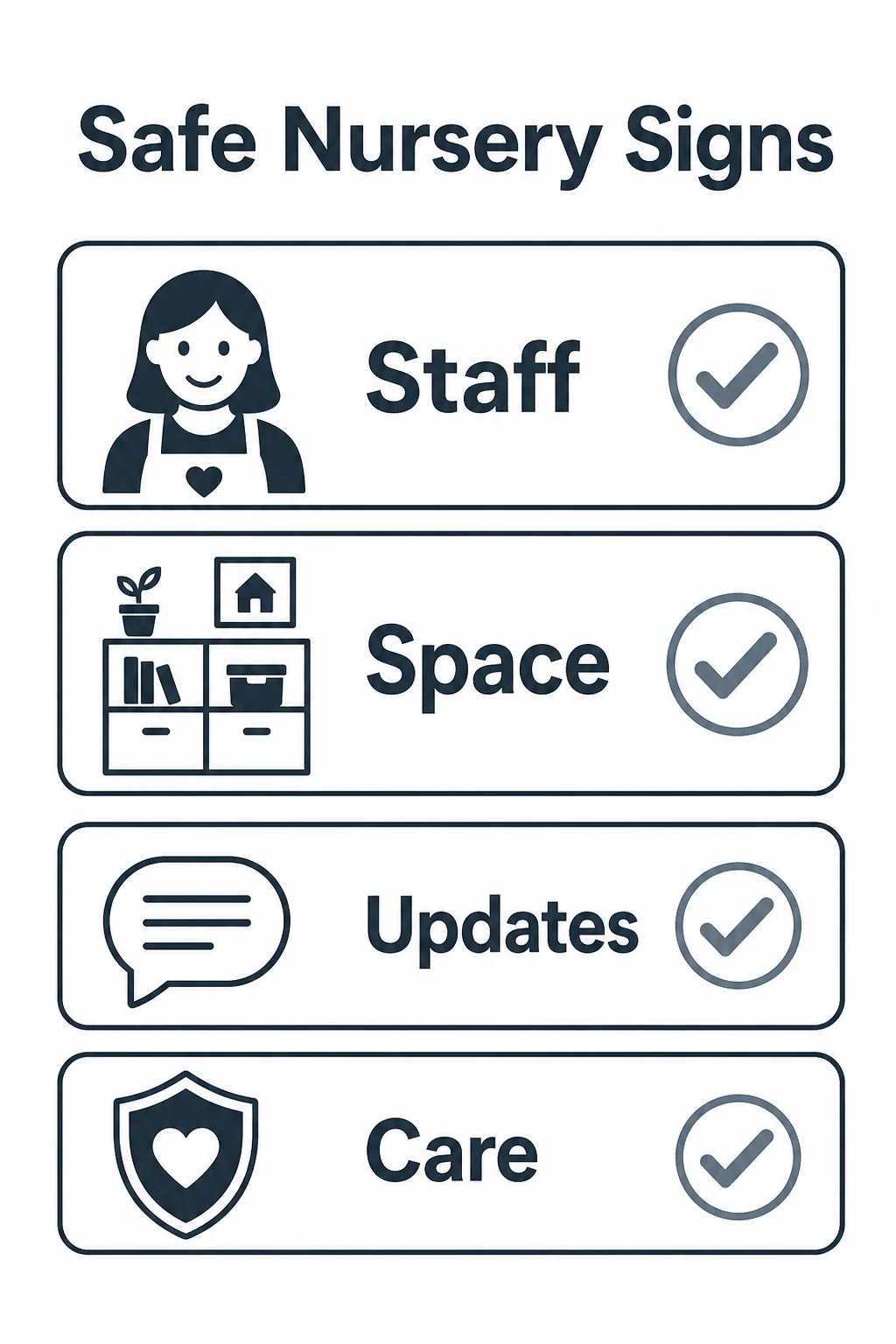
Parents do not need to become early years compliance experts to judge whether a nursery takes safety seriously. Often, the most useful signs are practical and easy to notice.
Look for staff who are attentive, approachable and confident in explaining routines. Notice whether children seem comfortable asking adults for help. Ask how accidents are recorded, how allergies are managed, how medicines are administered and what happens if someone different needs to collect your child.
It is also reasonable to ask how the nursery supports children with different needs. Inclusion is part of safety because every child should be understood as an individual. For families who want more detail on adapting care and environments, the nursery’s guidance on enabling nursery environments for children with additional needs may be helpful.
Parents can also ask how policies are shared. Some may be available in the office, on request or through nursery communication. What matters is that the team can explain them clearly and apply them consistently.
A safe nursery should feel organised without feeling rigid. There should be warmth in the way staff speak to children, care in how routines are handled and confidence in how questions are answered. When policies, procedures and relationships work together, children are protected in a way that still lets nursery feel joyful.
- Nursery safety policies protect children by turning important responsibilities into clear daily routines.
- Ofsted aware procedures help nurseries review practice, train staff and keep care consistent.
- Good safety should feel calm and nurturing, giving children freedom to explore with sensible support.
- Parent communication is essential, especially around health, allergies, authorised collection and emotional wellbeing.
- A safe nursery should be able to explain its procedures clearly and welcome thoughtful questions from families.
Frequently asked questions
What safety policies should a nursery have?
A nursery will usually have policies covering safeguarding, health and safety, accidents, illness, medicines, food and allergies, behaviour, sleep, collection procedures and complaints. The important point is that staff understand them and use them every day.
How do nursery staff keep children safe during play?
Staff prepare suitable spaces, check resources, supervise actively and guide children through safe choices. They allow children to explore, but they stay alert to risks, emotions, tiredness and moments when a child needs help.
Why does Ofsted matter when choosing a nursery?
Ofsted regulation gives parents an external framework for understanding how a nursery is monitored. It also encourages nurseries to keep clear procedures, review practice and focus on children’s welfare, learning and care.
Can parents ask to see nursery policies?
Yes. Parents can ask how policies are shared and how key procedures work in daily practice. A nursery should be able to explain its approach in a clear, reassuring way.
Need reassurance before choosing a nursery?
Speak to Minnie and Mamma Nursery about the routines, policies and caring procedures that help children feel safe, settled and ready to enjoy their day.