
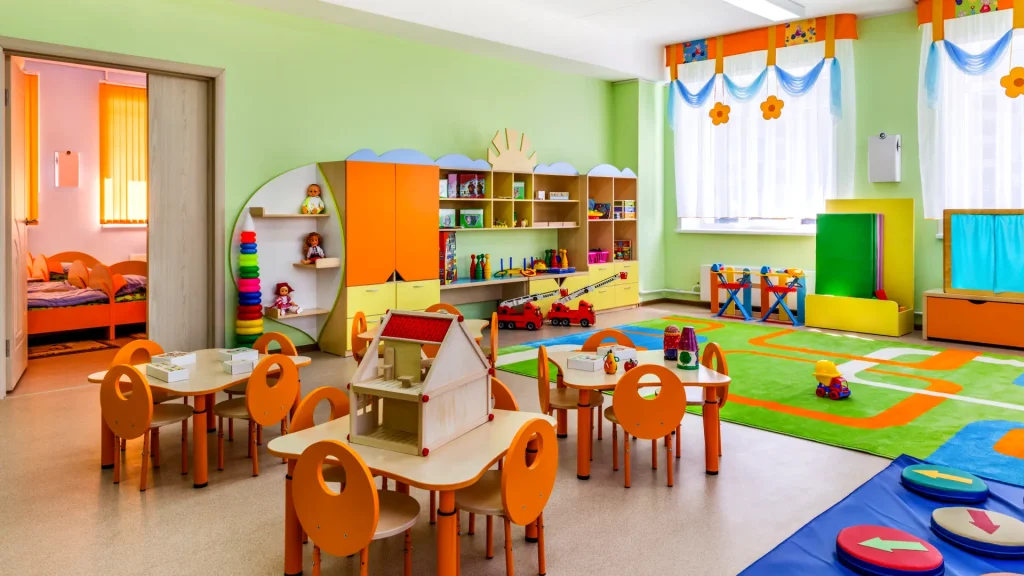
A nursery nurse, also known as an early years practitioner, plays a crucial role in the early development and care of young children. They work in a variety of settings, including nurseries, preschools, and early years centres, to provide a safe and stimulating environment where children can learn and grow. This article will explore the responsibilities, qualifications, and importance of nursery nurses in the formative years of a child’s life.
Responsibilities of a Nursery Nurse
Nursery nurses are tasked with a wide range of duties, all aimed at fostering the development and well-being of children from birth to five years old. Their primary responsibilities include:
Daily Care
Providing day-to-day care is at the heart of a nursery nurse’s job. This includes feeding, changing nappies, and ensuring that children are clean and comfortable. Nursery nurses also help children develop personal hygiene habits such as washing hands and brushing their teeth.
Educational Activities
Nursery nurses engage children in educational activities that promote cognitive, social, and emotional development. They use play-based learning to teach basic skills such as counting, recognising shapes and colours, and developing language abilities. Activities often include storytelling, singing, arts and crafts, and interactive games.
Monitoring and Assessing Development
A critical part of a nursery nurse’s role is to monitor and assess the developmental progress of each child. They keep detailed records of milestones and identify any areas where a child might need additional support. This involves working closely with parents and other professionals to ensure that each child’s needs are met.
Creating a Safe Environment
Ensuring a safe and healthy environment is paramount. Nursery nurses are responsible for maintaining hygiene standards, conducting safety checks, and implementing health and safety policies. They are trained to handle emergencies and provide first aid when necessary.
Supporting Emotional Well-being
Nursery nurses play a vital role in supporting the emotional well-being of children. They provide comfort and reassurance, helping children to feel secure and confident. By fostering positive relationships, they help children develop social skills and emotional resilience.
Qualifications and Training
To become a nursery nurse in the UK, certain qualifications and training are required. These typically include:
Educational Requirements
A Level 3 Diploma in Childcare and Education or an equivalent qualification is usually required. This provides the foundational knowledge and skills needed to work effectively with young children.
Apprenticeships
Many nursery nurses enter the profession through apprenticeships, which combine practical experience with academic study. Apprenticeships offer a hands-on approach to learning, allowing aspiring nursery nurses to gain real-world experience while studying.
Continuing Professional Development (CPD)
Ongoing training is essential in this field. Nursery nurses must stay up-to-date with the latest developments in early years education and care. CPD courses cover a wide range of topics, from child protection and safeguarding to new educational methodologies.
Personal Qualities
In addition to formal qualifications, successful nursery nurses possess certain personal qualities. These include patience, empathy, creativity, and excellent communication skills. The ability to work as part of a team and adapt to the changing needs of children is also crucial.
The Importance of Nursery Nurses
Nursery nurses play a pivotal role in the early years of a child’s life, a period that is critical for development. Their work has a lasting impact on children’s cognitive, social, and emotional growth. Here are some of the key ways in which nursery nurses contribute to child development:
Early Learning Foundation
Nursery nurses lay the foundation for lifelong learning. Through structured and unstructured play, they help children develop essential skills such as problem-solving, critical thinking, and basic literacy and numeracy.
Social Development
By interacting with other children and adults, children learn to navigate social situations, share, take turns, and build friendships. Nursery nurses guide these interactions, helping children develop social competence and emotional intelligence.
Emotional Support
The emotional support provided by nursery nurses helps children develop a sense of security and self-esteem. This support is particularly important for children who may be experiencing challenges at home or who have additional needs.
Identifying Special Needs
Nursery nurses are often the first to notice if a child has special educational needs or developmental delays. Early identification and intervention are crucial for addressing these needs and providing appropriate support, which can significantly improve outcomes for the child.
Parental Support
Nursery nurses also support parents and carers, providing advice and guidance on various aspects of child development and care. By building strong relationships with families, they ensure a holistic approach to each child’s well-being.
Challenges and Rewards
Working as a nursery nurse can be both challenging and rewarding. The demands of the job require physical stamina, emotional resilience, and a deep commitment to the welfare of children. However, the rewards are immense. Watching children achieve new milestones, witnessing their joy and curiosity, and knowing that you have played a part in their growth and development are some of the most fulfilling aspects of the job.
Conclusion
Nursery nurses are indispensable in the early years of a child’s life. Their dedication, skills, and compassionate care provide the foundation for children’s future success and well-being. By nurturing and educating young minds, they contribute significantly to society, shaping the next generation and laying the groundwork for lifelong learning and development. If you have a passion for working with children and a desire to make a positive impact, a career as a nursery nurse could be both fulfilling and rewarding.