
In today’s world, screens have become an almost inevitable part of childhood. Whether it’s television, tablets, or mobile phones, they offer a quick and easy solution when parents need a moment of peace. Yet, many families are beginning to notice the downsides — shorter attention spans, reduced creativity, and fewer opportunities for meaningful interaction.
Finding balance is key, and it’s entirely possible to keep children entertained without relying on a screen.
This blog explores fun, practical, and genuinely engaging ways to keep young children busy without relying on technology.
From creative activities to outdoor adventures, these ideas are designed to inspire curiosity and imagination while supporting their development. You don’t need expensive materials or elaborate setups — just a bit of creativity, patience, and a willingness to get stuck in alongside them.
Understanding the Screen Time Challenge
Health professionals, including those in the NHS, recommend limiting screen time for young children, especially those under the age of five. The key isn’t complete avoidance but moderation.
Screens can provide educational value, yet too much exposure can interfere with sleep, social interaction, and play-based learning. Understanding the balance helps parents make informed decisions that suit their family’s lifestyle.
Children are naturally drawn to screens because of their bright visuals, instant feedback, and endless entertainment options. However, it’s important to recognise that real-world play offers deeper rewards — it encourages problem-solving, imagination, and emotional expression.
By understanding what screens offer, parents can create alternatives that are equally stimulating but far more beneficial in the long run.
Creative Play That Captures Attention
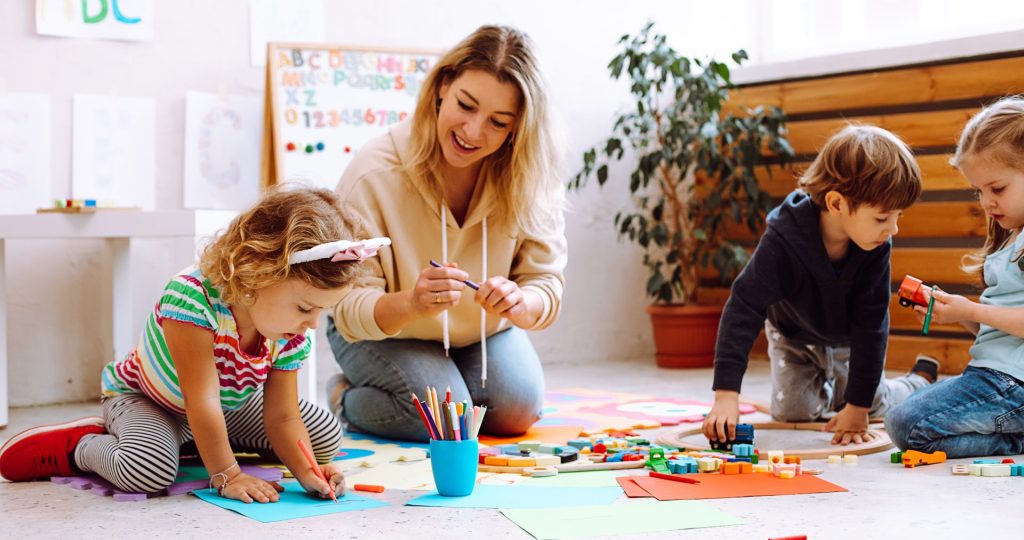
Creative play provides endless opportunities for learning and imagination. Simple activities like crafting with cardboard, painting rocks, or making homemade stamps keep little hands and minds busy.
These sorts of projects don’t require fancy materials — recycled packaging, old magazines, and bits of nature like leaves or twigs can all spark creativity.
Role-play and storytelling games are equally effective. Children can dress up as their favourite characters, act out mini adventures, or even create their own stories using toys as props. Storytelling not only develops language skills but also helps them understand emotions and problem-solving in a fun, imaginative way.
Physical Activities That Burn Energy
Sometimes children just need to move, and physical play is a brilliant way to redirect their energy. Indoors, you can set up simple obstacle courses using cushions, chairs, and blankets, or have a balloon tennis match in the living room.
Dancing to music is another fantastic way to lift everyone’s mood — it’s fun, silly, and a great bonding experience.
When the weather allows, head outdoors. Nature walks, puddle jumping, or chalk trails on the pavement can turn a regular day into an adventure.
Outdoor play strengthens coordination, balance, and confidence, while giving children a sense of freedom that screens simply can’t replicate. It also provides a much-needed break for parents.
Learning Through Everyday Moments
Some of the best learning opportunities come from everyday routines. Turning household chores into playful challenges helps children feel involved and teaches responsibility.
For example, sorting laundry by colour, counting cutlery when setting the table, or matching socks can all become simple, educational games.
Cooking together is another wonderful way to learn. Let your child pour, stir, or decorate — these small actions develop fine motor skills and build confidence.
You can also introduce early science concepts through play, such as making a baking soda volcano or watching how ice melts. Everyday moments like these prove that learning doesn’t have to be confined to a classroom or a screen.

Quiet Time Without Screens
Not every moment has to be full of activity. Encouraging quiet play helps children develop focus and patience.
Reading together is one of the best ways to achieve this — interactive story time where your child helps turn pages, predict what happens next, or act out scenes keeps them fully engaged. It also builds a lifelong love for books.
Other quiet activities like puzzles, Lego, or building blocks can calm a busy mind. Mindfulness for children is also becoming more popular — try simple breathing exercises, easy yoga poses, or making calm-down jars filled with glitter and water.
These quiet moments teach self-regulation and help children manage their emotions naturally.
Social Play and Connection
Children thrive on connection, and social play helps them develop essential communication and empathy skills. Organising playdates or group activities, such as baking sessions or team games, teaches them to share, take turns, and listen to others.
These interactions are invaluable for emotional growth and confidence.
Local community spaces like libraries, parks, and playgroups are wonderful screen-free environments.
Many libraries host story times, and parks offer open-ended play opportunities that foster creativity. Encouraging your child to interact with others not only reduces screen dependency but also builds lasting friendships and a strong sense of belonging.
Conclusion
Reducing screen time doesn’t mean you need to eliminate it. The aim is to create a healthy balance that supports both fun and learning. Introducing small, consistent swaps — a nature walk instead of a cartoon, a story before bed instead of a video — makes a huge difference over time.
By encouraging more creative, physical, and social play, you’re giving your child something far more valuable than screen entertainment. You’re helping them develop curiosity, independence, and joy in the real world — and those are skills that will last a lifetime.