

Choosing when your child should start nursery or preschool can feel like a big decision. Some children seem ready as soon as they can toddle towards the toy shelf, while others need more time close to home before a new routine feels right.
There is no single perfect nursery age for every family. The right answer depends on your child, your circumstances and the kind of setting you choose. This guide will help you think through readiness, the benefits of nursery and the next steps if you feel it may be time to apply.
What age can children start nursery?
Children can often start nursery from baby or toddler age, depending on the nursery and the places available. Preschool is usually used to describe care and early education for children in the years before school, although many nurseries support children across a wider age range.
For parents, the more useful question is not only what age a nursery accepts children, but what age feels right for your child and your household. A baby may benefit from a calm, caring routine with familiar adults. A toddler may thrive with sensory play, songs, stories and gentle social time. An older child may be ready for more independence, group activities and preparation for school routines.
Nursery can also begin gradually. Some families start with a few sessions each week and build up as their child settles. Others need a fuller pattern of care because of work, study or family commitments. A good setting should help you understand what options are available and how to choose a pattern that feels manageable for your child.
If you are already comparing options, the nursery application process is a natural place to start once you are ready to make an enquiry.
Signs your child may be ready for nursery
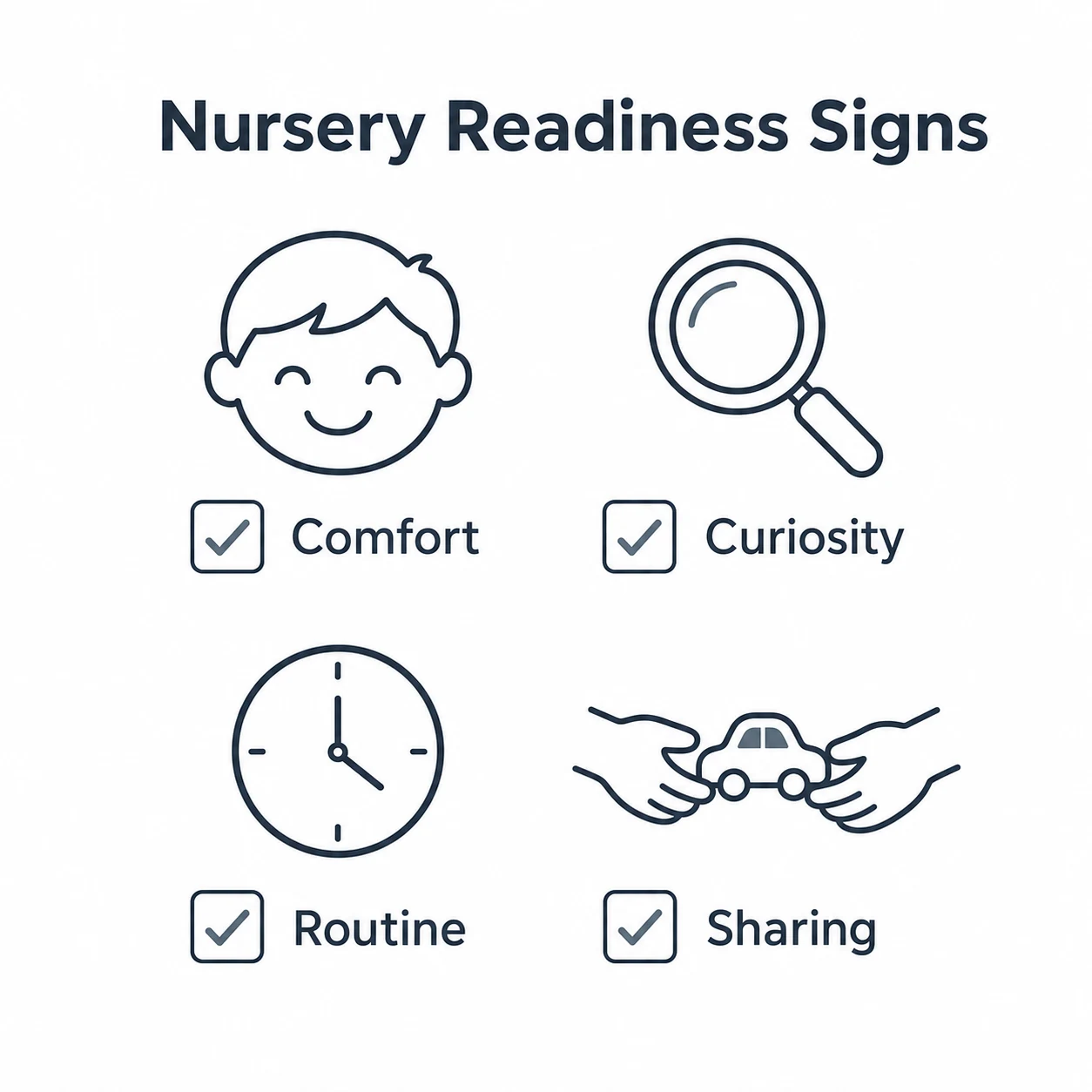
Readiness is not about your child being perfectly independent. Nursery staff are used to supporting children with toileting, comfort, sharing, communication and separation. Many children begin nursery while they still need plenty of reassurance, and that is completely normal.
Useful signs of readiness can include curiosity about other children, interest in toys and activities outside the home, growing confidence with short separations, or a need for more structured play and stimulation. Your child might enjoy songs, stories, messy play, outdoor time or copying what other children do.
It is also fine if your child is shy, cautious or slower to warm up. Nursery can help children practise being around others in a kind and supported way. Some children watch first, then join in later. Others dive straight into activities but need help with turn taking and routines. Both can be normal.
You may also need to think about readiness from a parent point of view. If you are returning to work, changing your weekly routine or looking for more social opportunities for your child, nursery may support the whole family. A calm settling plan can make that transition feel much more positive.
- Your child shows interest in play, stories, music or other children.
- Your child can be comforted by trusted adults, even if it takes time.
- You feel ready to introduce a regular childcare routine.
- Your child would benefit from new experiences outside the home.
The benefits of nursery for young children

The benefits of nursery are not limited to learning letters and numbers. In the early years, children learn through play, movement, conversation and everyday routines. A good nursery helps children build confidence, curiosity and social skills in ways that feel natural to them.
Social development is one of the biggest benefits. Children learn how to play near others, share space, wait for a turn, ask for help and manage small frustrations. These skills take time, and nursery gives children regular chances to practise with patient adults nearby.
Nursery can also support communication. Children hear new words, join songs, listen to stories and learn how to express their needs. They may copy older children, respond to group instructions and begin to use language in new ways during play.
For many children, nursery builds independence. Simple routines such as finding a coat, washing hands, choosing an activity or sitting for snack can help children feel capable. These small moments matter because they build confidence step by step.
There are creative benefits too. A varied nursery day might include painting, building, music, pretend play, books, outdoor play and sensory activities. If you want to understand the kind of experiences that can support development, Minnie and Mamma Nursery GA4 shares more about its daily nursery activities.
What if your child is nervous about starting?

Feeling nervous is common, for children and parents. Starting nursery is a new relationship, a new place and a new rhythm to the week. Tears at drop off do not always mean nursery is wrong. They often mean your child is adjusting and learning that you come back.
A gentle settling approach can help. You might visit first, talk positively about nursery at home and keep goodbye routines calm and predictable. Bringing a familiar phrase or comfort routine can also help some children feel secure.
Parents can support the process by staying consistent. Long, uncertain goodbyes can make separation feel harder, even when they come from love. A simple goodbye, reassurance that you will return and trust in the nursery team often works better than stretching the moment out.
It is also helpful to share information with staff. Let them know what comforts your child, what words they use for important needs, how they sleep and what they enjoy. Nursery carers can use those details to build connection more quickly.
Most children settle in stages. First they become familiar with the adults. Then they begin exploring the room. Then they start joining routines and play. The pace will vary, but a nurturing nursery will understand that settling is part of the journey, not a test your child has to pass.
How to choose the right nursery age for your family
When deciding on nursery age, think about your child’s temperament, your family routine and what you want nursery to provide. A confident toddler may be ready for busy group play. A quieter child may benefit from a slower introduction. A parent returning to work may need a pattern that gives both child and adult time to adjust.
Ask practical questions as well as emotional ones. What days do you need? What start and finish times would work? How will meals, naps and collection fit into your week? What payment arrangements do you need to understand before confirming a place?
It can help to look at the nursery’s approach to care and learning. A setting’s values should feel warm, respectful and clear. You should feel able to ask questions, talk about your child and understand how staff will support their development. Minnie and Mamma Nursery GA4 explains its approach through its nursery philosophy, which can help parents judge whether the setting feels aligned with their own hopes for their child.
There is no shame in deciding your child is ready earlier than expected, or in choosing to wait. The best decision is the one that balances your child’s needs with your family’s real life. Nursery should feel like support, not pressure.
Next steps when you feel ready to enquire
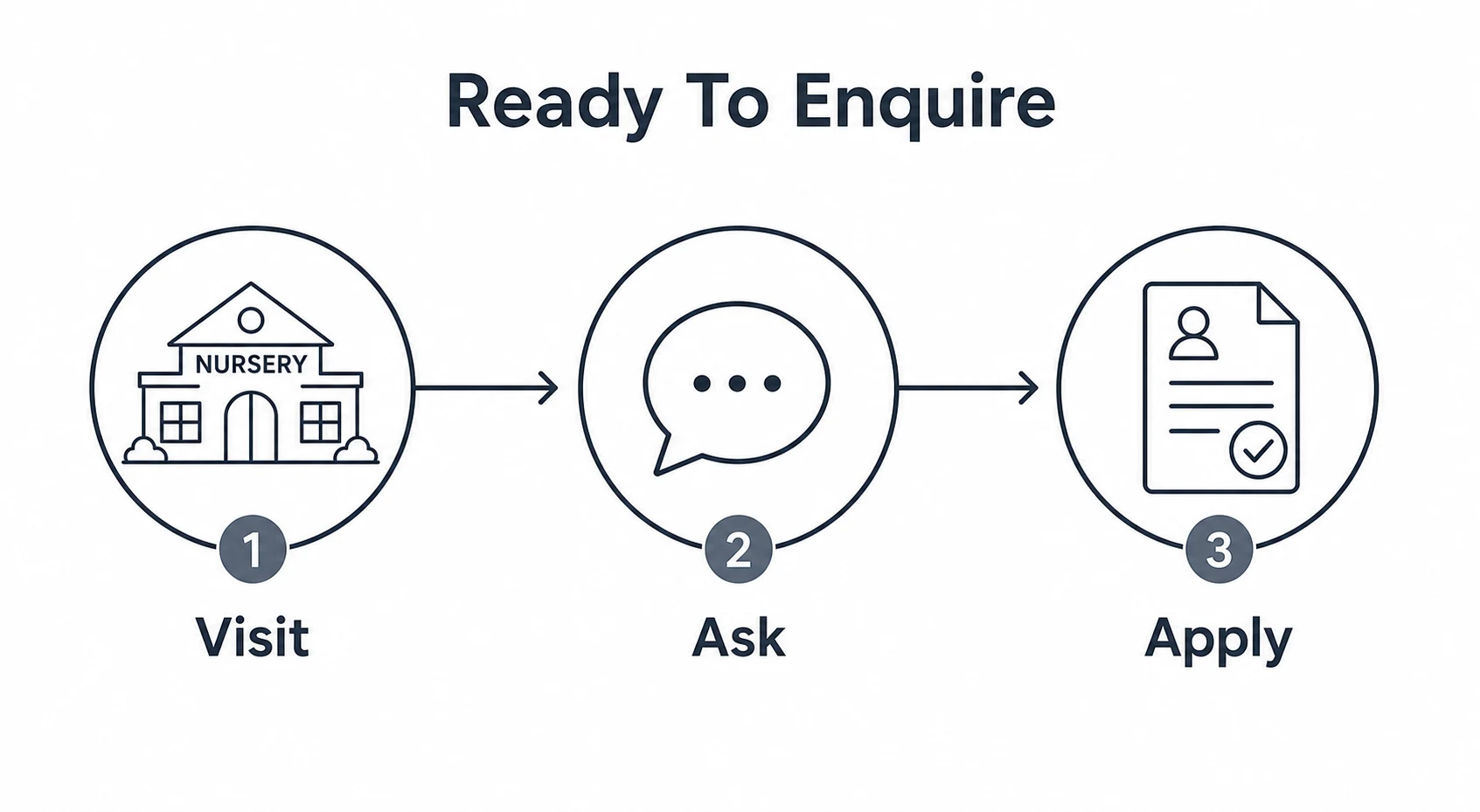
Once you think nursery or preschool may be right for your child, the next step is to gather the practical details. You may want to ask about available sessions, settling arrangements, age groups, meals, daily routines and what to bring on the first day.
It is useful to be honest about your child’s personality and needs. Share whether they are outgoing, cautious, used to group settings, still napping, toilet training or needing extra comfort. This does not weaken an application. It helps the nursery understand how to welcome your child well.
You may also want to review payment information before making a final decision. Clear information helps you plan with confidence, and the nursery payment options page can support that stage of decision making.
When you contact a nursery, you do not need to have every answer ready. It is enough to know that you are exploring a place for your child and would like guidance on what happens next. A good team will help you understand the process and talk through what may suit your family.
- There is no single best nursery age for every child, because readiness depends on confidence, routine and family needs.
- Nursery can support social skills, communication, independence and playful early learning.
- A nervous start is common and can be eased with a calm settling plan and good communication with staff.
- Parents should consider session patterns, daily routines, values and payment information before applying.
- When you feel ready, an enquiry is a positive first step rather than a commitment to have everything decided.
Frequently asked questions
What is the best age to start nursery?
There is no one best age for every child. Some children start as babies or toddlers, while others begin closer to preschool age. The right timing depends on your child’s confidence, your family routine and the support you need.
Does my child need to be toilet trained before nursery?
Not always. Many nurseries support children who are still learning. It is best to tell the nursery where your child is with toileting so staff can explain how they help and what you may need to provide.
What are the main benefits of nursery?
Nursery can help children build social confidence, language, independence and familiarity with routines. It also gives them access to varied play, creative activities and caring adults outside the home.
How can I help my child settle into nursery?
Talk about nursery in a calm and positive way, keep goodbyes short and reassuring, and share useful details with staff. Settling can take time, so consistency and patience are important.
Ready to take the next step?
If you feel your child may be ready for nursery or preschool, Minnie and Mamma Nursery GA4 can guide you through the enquiry and application process with warmth and care.