
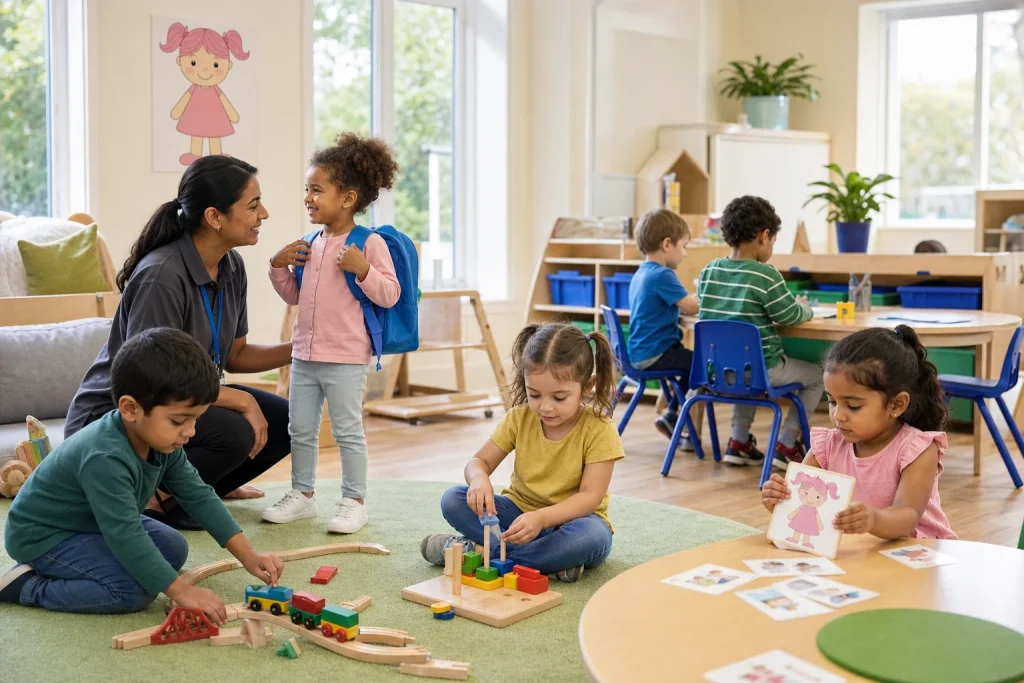
Starting reception is a big step for children and for parents. Even when a child is excited, the change can bring new routines, new adults, a bigger setting and a different kind of day.
The good news is that school readiness is not about making children grow up too quickly. It is about helping them feel secure, capable and curious, so they can walk into reception with a little more confidence.
What school readiness really means
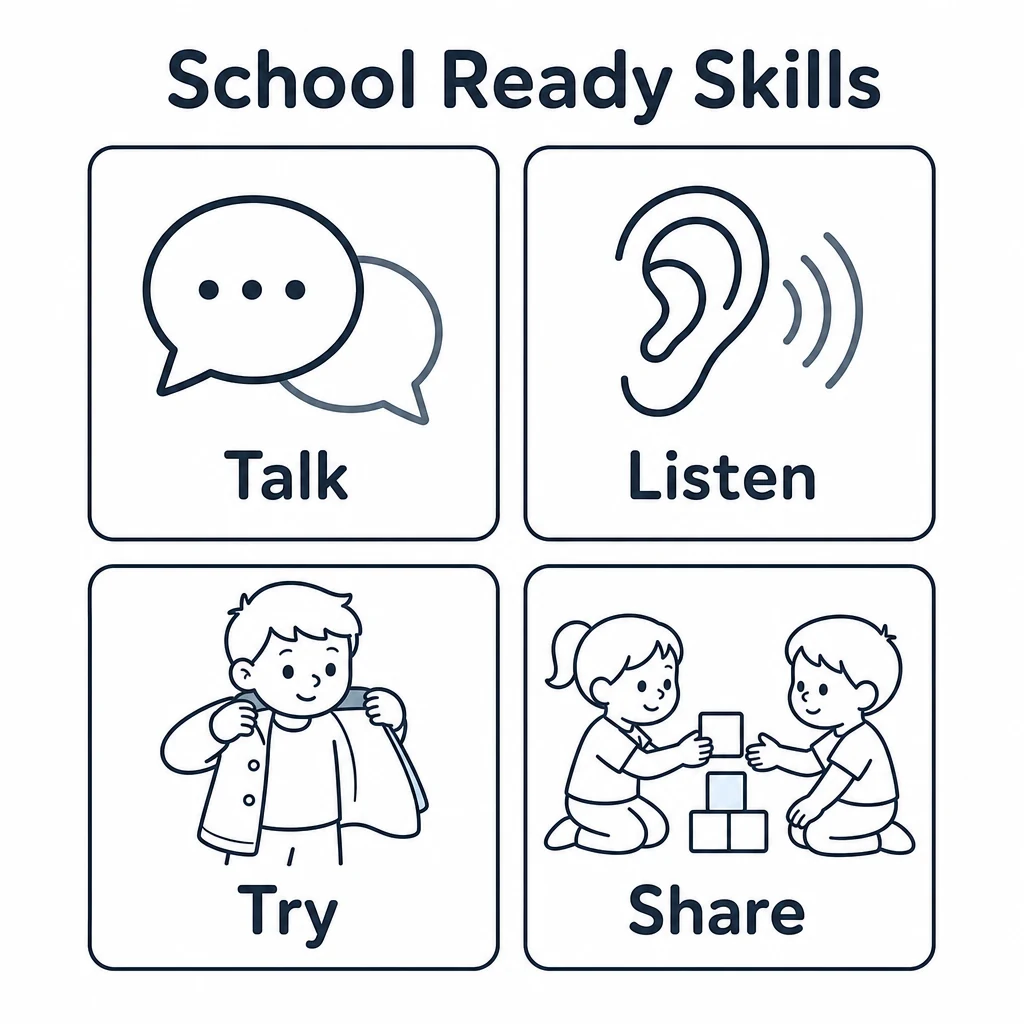
Many parents worry that their child should be able to read, write or sit still for long periods before starting reception. In reality, the most helpful skills are usually much more practical and emotional. Reception teachers expect children to arrive at different stages, and they build learning from there.
School readiness often means being able to manage small parts of the day with growing independence. This might include recognising their own coat, washing hands, asking for help, taking turns, listening to a short story and coping when a favourite activity has to end.
It also means feeling comfortable around other children. Nursery gives children regular chances to share space, join group activities, build friendships and practise simple problem solving. If you are still choosing childcare, a caring daycare nursery setting can support these early social habits in a gentle, familiar way.
Try to think of reception as the next step in a child’s early years journey, not a test they have to pass before they arrive. Confidence, communication and independence matter more than perfect academic skills.
Everyday skills to practise at home
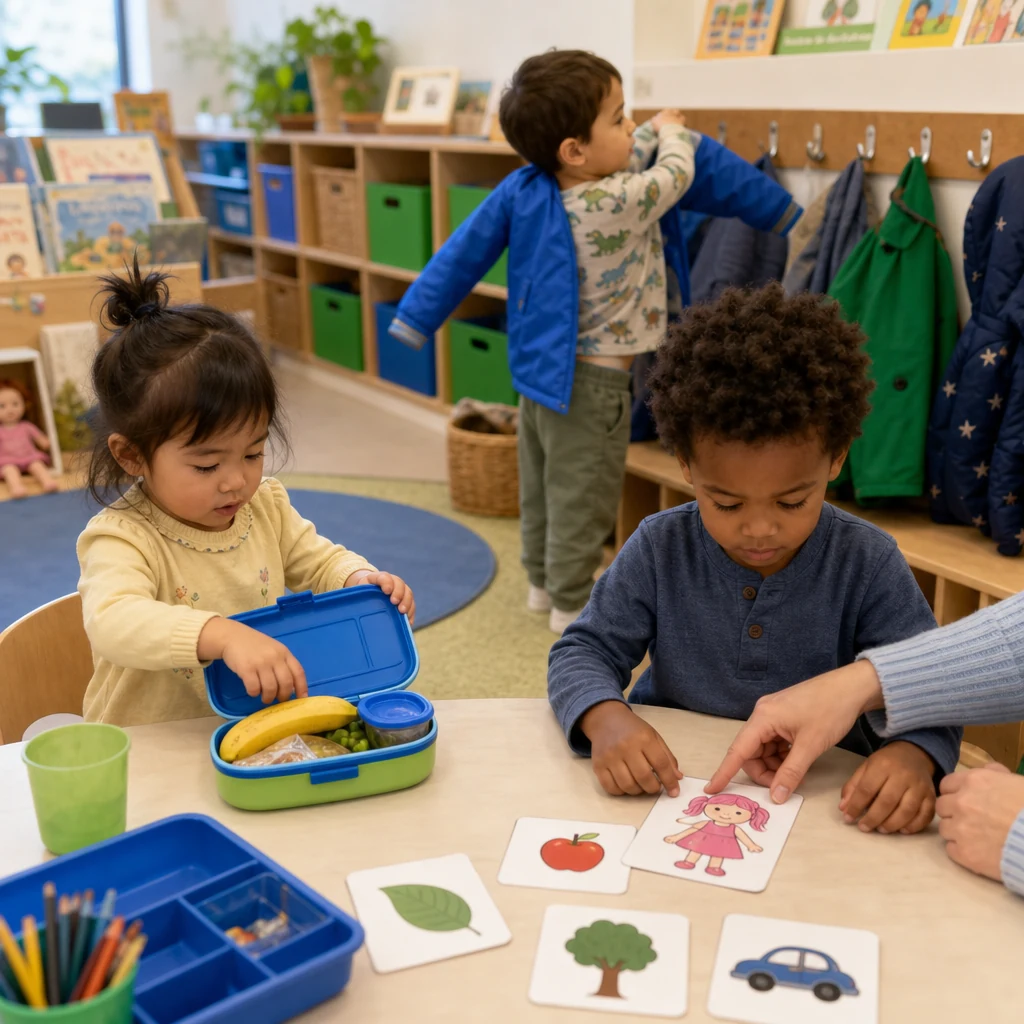
Small daily routines can make a big difference. Children often feel more settled when they can manage the little things that happen many times a day in school.
Start with self care. Encourage your child to put on and take off their coat, use the toilet, wipe their own nose, wash their hands and open simple lunch items if they will need to. Keep the mood light and give plenty of time, especially when everyone is not rushing out of the door.
Next, practise listening and following instructions. You can do this through ordinary family life. Ask your child to bring their shoes, put a toy in a basket or choose a book for bedtime. Begin with one step, then build to two simple steps when they are ready.
It also helps to build independence around belongings. Let your child recognise their bag, bottle and coat. You can turn this into a game at home by asking them to find what belongs to them before a trip out.
Fine motor skills are useful too, but they do not need to feel like homework. Drawing, threading, play dough, building blocks, stickers, puzzles and helping with safe kitchen tasks all strengthen the hands and fingers children use for early writing.
If your child is already attending nursery, talk to the team about what they are practising there. The most useful approach is usually a steady rhythm between home and nursery, where children meet the same skills in different friendly contexts.
Helping your child understand the change
Children cope better with change when they know roughly what to expect. You do not need to explain every detail of reception, but it helps to build a simple picture of the day.
Talk about school in warm, ordinary language. You might say that reception is a place where children play, listen to stories, learn new things, eat together and make friends. Avoid making it sound frightening or overly serious, even if you feel nervous yourself.
Role play can be very useful. Your child can practise saying goodbye, hanging up a coat, sitting for a story or asking an adult for help. Keep it playful. A few minutes of pretend school with toys can give children a safe way to explore the idea.
Books about starting school can also help. Choose stories that show a range of feelings, not just excitement. It is reassuring for children to hear that feeling shy, unsure or quiet at first is normal.
If your child finds transitions difficult, the ideas in preparing your child for nursery can still be useful because many of the same gentle routines apply when moving into reception.
Easing nerves and separation worries
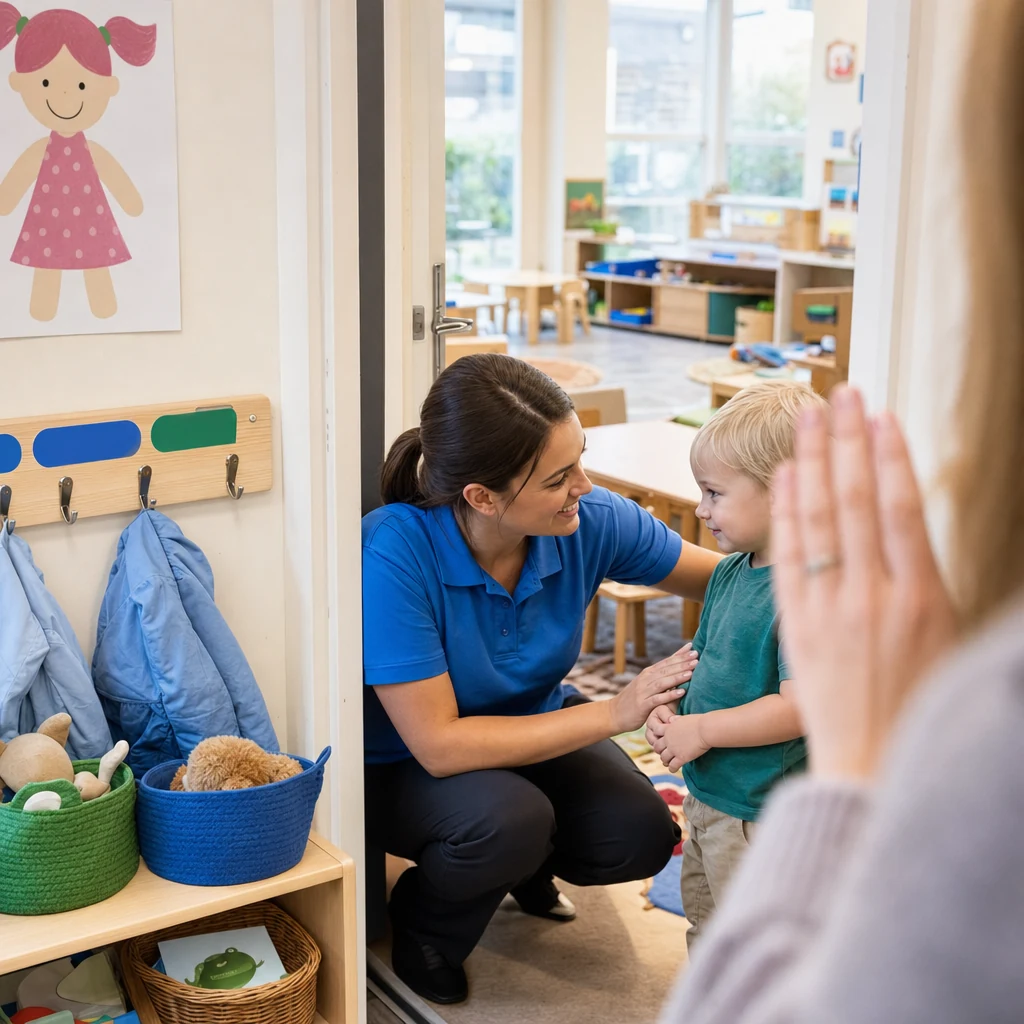
It is completely normal for children to have mixed feelings before reception. Some children talk about their worries. Others show them through clinginess, disturbed sleep, big emotions or sudden changes in behaviour.
The first step is to name the feeling without trying to talk them out of it too quickly. You might say, “It sounds like you are feeling a bit unsure because it is new.” This helps children feel understood, which often makes the feeling easier to manage.
Keep goodbyes calm and predictable. A short routine, such as a cuddle, a clear goodbye and a reminder that you will return, is usually more reassuring than a long uncertain farewell. Try to avoid slipping away without saying goodbye, as this can make children more anxious next time.
Some children benefit from a small comfort routine at home before leaving, such as choosing a breakfast bowl, singing the same song or having a special phrase you say each morning. The aim is to create a familiar start before an unfamiliar day.
If separation anxiety has been a theme for your child, you may find extra ideas in helping children with separation anxiety. Support works best when it is patient, consistent and shared between parents and carers.
Building confidence through play and communication
Play is one of the best ways to prepare for reception because it helps children practise language, imagination, negotiation and resilience. These are all skills they will use every day in class.
Encourage games where your child takes turns, waits briefly, listens to another person and copes if they do not win. Board games, construction play, pretend shops and simple outdoor games can all help. The goal is not perfect behaviour. It is repeated practice in a safe setting.
Talking together is just as important. Ask open questions during everyday moments, such as “What do you think will happen next?” or “How could we solve that?” Give your child time to answer. These conversations build vocabulary and confidence in expressing ideas.
Stories, songs and rhymes remain powerful preparation. They support listening, memory, rhythm and early literacy without pressure. If your child enjoys choosing books, let them lead sometimes. Familiar favourites count, even when you have read them many times.
Nursery can play a strong part in this stage too. The post on how nursery prepares children for school explores how early years routines, play and social experiences support the move into more formal learning.
What parents can do in the final weeks
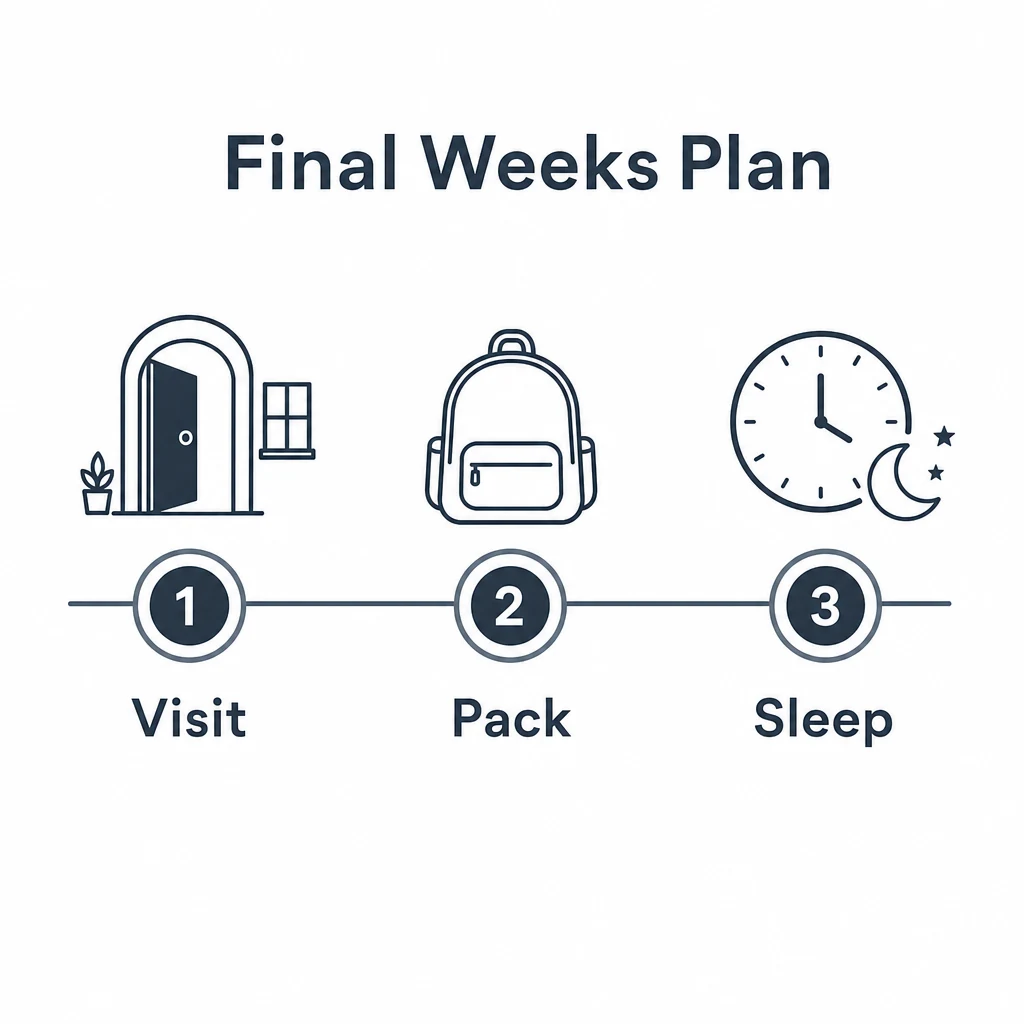
In the final weeks before reception, keep things steady. It can be tempting to fill the time with lots of practice, but children often benefit more from calm routines, sleep, play and reassurance.
Talk positively about the new start, but leave room for honest feelings. If your child says they do not want to go, try not to panic. Acknowledge the worry and gently return to what they can expect, who will help them and when you will see them again.
Prepare practical items together where possible. Let your child help choose what goes into their bag, practise putting on shoes and talk through the morning routine. Children often feel more in control when they have small jobs to do.
It is also wise to protect some quiet time. A child who is tired or overstimulated may find change harder to handle. Simple family time, outdoor play and relaxed stories can be more valuable than trying to teach too much at once.
Once reception begins, expect a settling period. Your child may be tired, emotional or unusually quiet after busy days. This does not mean anything is wrong. It often means they are working hard to understand a new world.
- School readiness is mainly about confidence, communication, self care and social skills.
- Practise small everyday routines such as coats, handwashing, belongings and asking for help.
- Use calm, simple language to explain reception and allow mixed feelings.
- Play, stories, songs and turn taking games all support useful early learning skills.
- Keep the final weeks steady, reassuring and focused on routine rather than pressure.
Frequently asked questions
Does my child need to read before starting reception?
No. Children start reception with a wide range of early literacy skills. Sharing books, singing rhymes, noticing sounds and enjoying stories are all valuable ways to prepare without pressure.
What if my child still gets upset at goodbye?
Some children need time to adjust. Keep goodbyes short, warm and predictable. Reassure your child that you will come back, then give them time to build trust with the adults caring for them.
How can nursery help with the move to reception?
Nursery helps children practise routines, independence, friendships, group listening, communication and emotional regulation. These everyday experiences can make the move to reception feel more familiar.
Should I practise school work over the summer?
A little playful practice is fine, but formal work is not usually needed. Focus on sleep, independence, stories, conversation, outdoor play and helping your child feel positive about the next step.
Support your child’s next step
If you are looking for a nurturing nursery place where your child can grow in confidence, independence and curiosity, Minnie and Mamma Nursery can help you explore the right next step for your family.