Nursery rhymes have been a beloved part of childhood for generations, providing not only entertainment but also vital learning opportunities. These catchy, rhythmic songs play a significant role in early childhood development, helping young children build essential language and social skills. But how exactly do simple rhymes like “Twinkle, Twinkle, Little Star” or “Humpty Dumpty” contribute to a child’s growth? This article explores the power of nursery rhymes in shaping language abilities and social interactions.
The Science Behind Nursery Rhymes & Language Development
Research shows that nursery rhymes help children develop phonemic awareness—the ability to recognise and manipulate sounds in words. The repetitive and rhythmic nature of rhymes strengthens memory, improves pronunciation, and builds a foundation for reading. As children sing along, they expand their vocabulary by learning new words in context. Additionally, rhymes enhance listening skills, as children must pay close attention to the sounds and meanings of words to follow along.
Nursery Rhymes as a Social Learning Tool
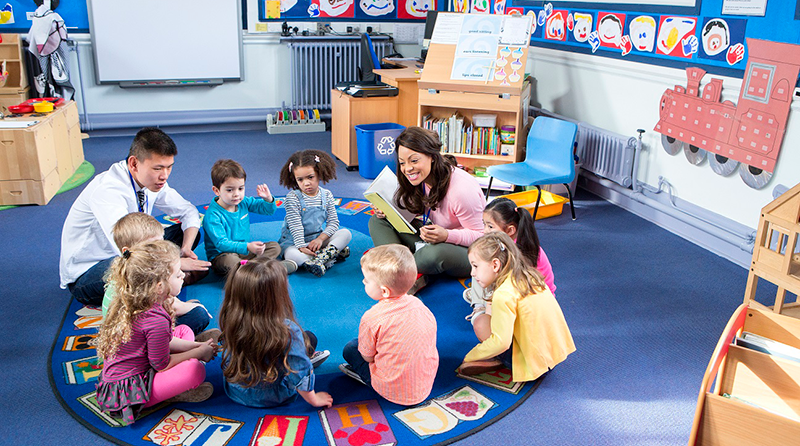
Beyond language development, nursery rhymes serve as a powerful social learning tool. Singing together encourages cooperation, turn-taking, and active participation. Rhymes with actions—such as “The Wheels on the Bus” or “If You’re Happy and You Know It”—help children develop non-verbal communication skills through gestures and facial expressions. Group singing also fosters a sense of belonging and community, making it easier for children to connect with peers and build friendships.
Building Confidence Through Rhyme and Repetition
The familiarity of nursery rhymes gives children a sense of security and accomplishment. When children successfully recall and recite rhymes, they gain confidence in their speaking abilities. For those with speech delays or shyness, nursery rhymes provide a gentle, engaging way to practice verbal skills without pressure. The predictability of rhymes also helps children develop storytelling abilities and sequencing skills, which are crucial for effective communication.
Cultural and Emotional Benefits of Nursery Rhymes
Nursery rhymes are not just about words and melodies—they also carry cultural and emotional significance. Many traditional rhymes have been passed down through generations, preserving language and cultural heritage. Additionally, rhymes often introduce themes of kindness, empathy, and problem-solving, helping children navigate emotions. For instance, “Five Little Ducks” teaches about missing loved ones and reunion, while “Baa Baa Black Sheep” can introduce the concept of sharing.
Practical Ways to Use Nursery Rhymes at Home and in Nurseries
Incorporating nursery rhymes into daily routines can be both fun and educational. Here are some simple yet effective ways to make the most of them:
-
Interactive Singing – Encourage children to clap, stomp, or use hand gestures while singing.
-
Rhyming Games – Challenge children to come up with words that rhyme with those in the song.
-
Storytelling Extensions – Use rhymes as a starting point for creative storytelling activities.
-
Multi-Sensory Learning – Add props, puppets, or picture books to enhance engagement.
Summary
Nursery rhymes are more than just playful tunes—they are powerful learning tools that help shape a child’s language and social development. From enhancing phonemic awareness to fostering confidence and emotional intelligence, the benefits of these simple songs are immense. By integrating nursery rhymes into everyday learning, parents and educators can support children in building strong communication skills while enjoying the magic of music and rhythm.